
Acne Care Tips and How to Manage Skin Allergies
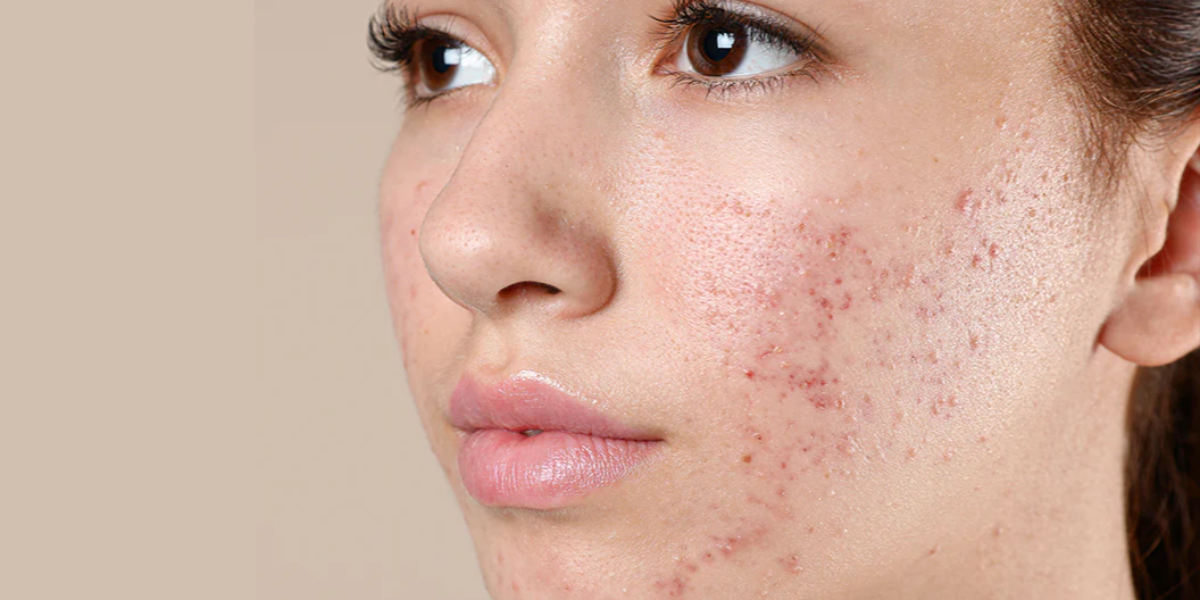
Skin issues like acne and allergies are extremely common, especially in changing weather or polluted environments. While both conditions affect the skin, they require different care approaches. Understanding the causes, symptoms, and treatment options can help you keep your skin healthy, clear, and irritation-free.
Understanding Acne and Skin Allergies
What Is Acne?
Acne occurs when hair follicles become clogged with oil, dead skin cells, and bacteria. It often appears as whiteheads, blackheads, pimples, or cysts, typically on the face, back, and chest.
What Are Skin Allergies?
Skin allergies happen when the skin reacts to allergens such as fragrances, cosmetics, dust, pollen, or specific ingredients. It may result in redness, itching, swelling, rashes, or dry patches.
Acne Care Tips
Cleanse Regularly but Gently
Using a mild, dermatologically approved cleanser twice a day helps remove oil, dirt, and bacteria without damaging your skin barrier. Avoid scrubbing too hard, as it can worsen inflammation.
Use Non-Comedogenic Products
Choose makeup, moisturizers, and sunscreens labeled non-comedogenic, meaning they won’t clog pores or trigger breakouts.
Avoid Touching or Popping Pimples
Touching your face transfers bacteria and increases the risk of scarring. Popping pimples can push bacteria deeper, leading to infection.
Incorporate Acne-Fighting Ingredients
Ingredients that help include:
- Salicylic Acid: Unclogs pores
- Benzoyl Peroxide: Kills acne-causing bacteria
- Retinoids: Improve cell turnover
Use them under medical guidance to avoid irritation.
Maintain a Balanced Diet
A diet high in water, fruits, vegetables, and omega-3 fatty acids can improve acne. Reduce sugary foods and dairy, which may trigger breakouts in some people.
Protect Your Skin from the Sun
Use oil-free sunscreen daily. Sun exposure can darken acne marks and trigger inflammation.
How to Manage Skin Allergies
Identify and Avoid Your Triggers
Common triggers include:
- Fragrances
- Harsh soaps and detergents
- Dust and pollen
- Certain foods
- Nickel and metals
- Cosmetic ingredients
Keeping a skin allergy diary can help track what causes flare-ups.
Use Hypoallergenic Skincare Products
Choose products labeled gentle, fragrance-free, and alcohol-free. These reduce the chance of irritation and allergic reactions.
Moisturize Daily
A strong skin barrier reduces allergic reactions. Use soothing ingredients like aloe vera, ceramides, and hyaluronic acid.
Apply Cold Compresses for Relief
Cold compresses or cooling gels help reduce itching, swelling, and redness during allergy flare-ups.
Take Antihistamines If Needed
Oral antihistamines can help control itching and inflammation. Always consult a dermatologist before regular use.
Avoid Scratching
Scratching damages the skin and can lead to infections. Use anti-itch creams or soothing lotions instead.
When to See a Dermatologist
You should seek medical help if:
- Acne becomes painful or cystic
- Allergic reactions do not improve in 2–3 days
- Skin becomes swollen, infected, or starts oozing
- Over-the-counter products make the condition worse
Professional diagnosis ensures proper treatment, especially for chronic acne or persistent allergies.
Conclusion
Acne and skin allergies can affect confidence and comfort, but with the right care and lifestyle changes, they are manageable. Gentle skincare, avoiding triggers, and using medically approved products can help keep your skin clear, calm, and healthy. For long-term or severe issues, consulting a dermatologist is the safest choice.
Share on Social Media
Recommended For You

How to Know When You Need to See a Medical Specialist?

What to Expect During Your First Visit to a Medical Speciali...

How to Choose a Hospital for Medical Treatment in Faisalabad

How to Choose the Right Doctor for Your Health Problem

Fatty Liver in Lean People: Why a Healthy Weight Doesn't Alw...
Skin Barrier Damage in 2026: How Over-Exfoliation and Skinca...
Silent Health Risks: Common Symptoms People Ignore Until The...
Beyond Aesthetics: How Reconstructive Plastic Surgery Restor...

From Desk Strain to Chronic Pain: How Ergonomics and Physica...
The Silent Connection: How Gum Disease Can Impact Your Heart...
Beyond Common Colds: Recognizing Early Signs of Developmenta...
Understanding Benign Breast Lumps: Why Early Evaluation Matt...
Scared of the Tube? How MTH Offers Stress-Free MRI Scans for...
Beyond the Report Card: How Academic Pressure Impacts Studen...
Life-Saving Interventions: Understanding Neonatal Surgery
Why See an ENT Specialist When Having Throat Problems?

Freedom of Movement: Modern Solutions in Orthopedic Surgery

Beyond the Eye Exam: How Comprehensive Ophthalmology Protect...

From Conception to Cradle: The Importance of Comprehensive P...
Food as Medicine: How Medical Nutrition Therapy Manages Chro...
Understanding Brain and Spine Surgery: When is it Necessary?

Kidney Health Awareness: Why Early Detection Matters
Why the Department of Medicine is the Backbone of a Hospital

How is Modern Technology in Medical Laboratories Transformin...
Foods That Support Liver Health and Detoxification
Top 10 Skin Care Tips Backed by Dermatologists
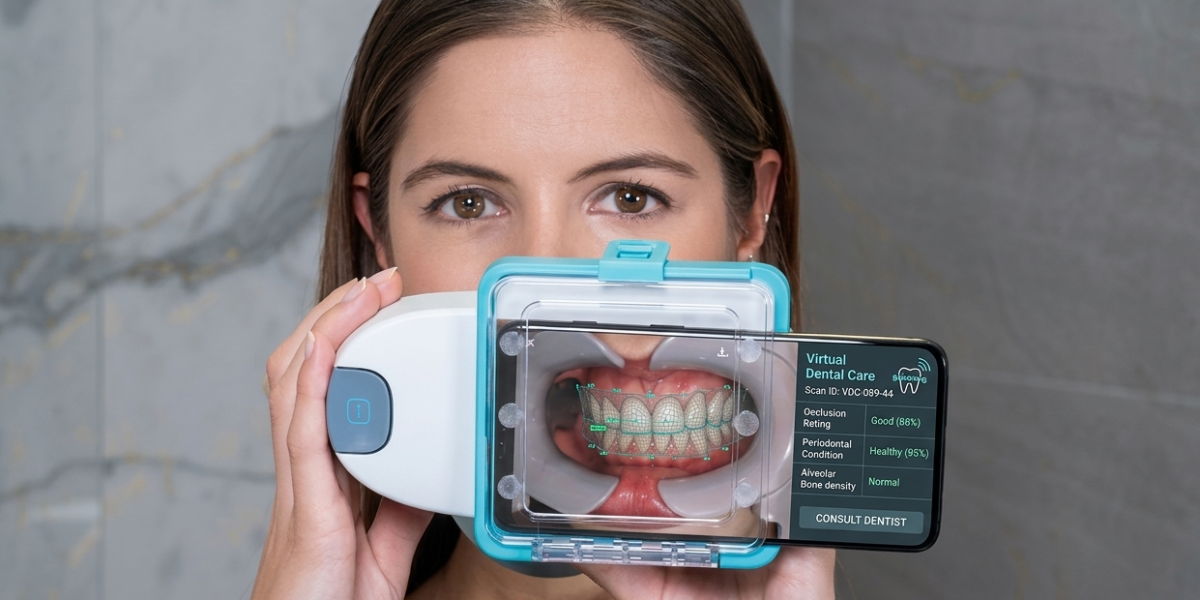
The Rising Trend of Virtual Dental Care and Why It Matters
Dentistry Department at Madinah Teaching Hospital, Faisalaba...

Breast Surgery Department at Madinah Teaching Hospital, Fais...

Anaesthesia Department at Madinah Teaching Hospital, Faisala...

Departments at Madinah Teaching Hospital Comprehensive Care...

Understanding Lab Reports and Importance of Blood Tests

Common Stomach Issues Treatments and Healthy Diet for Liver...
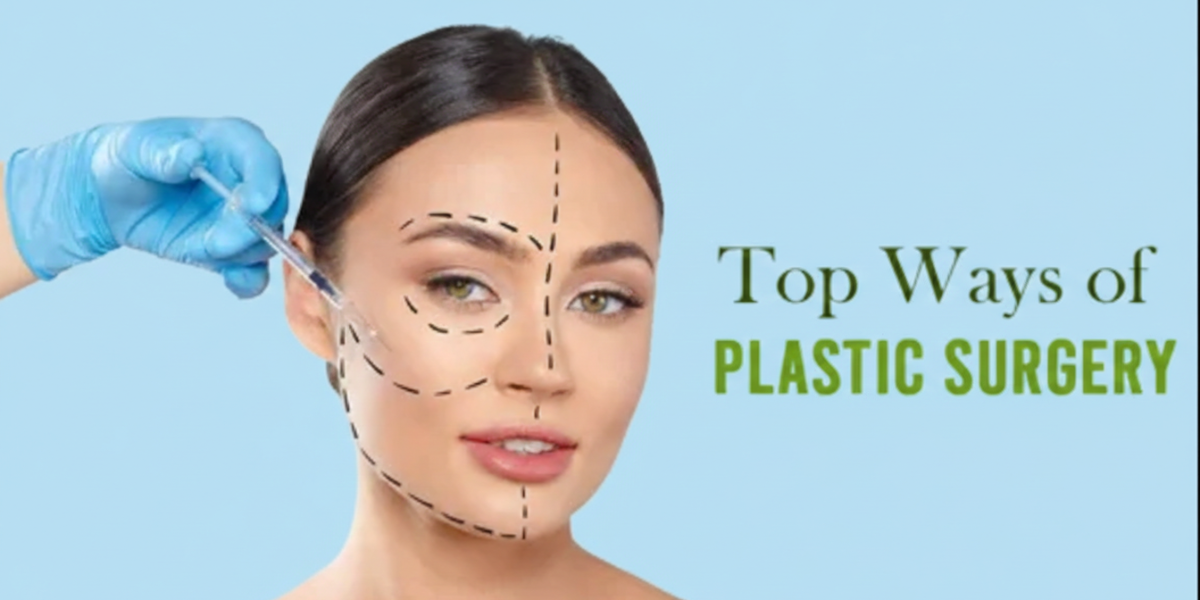
Cosmetic and Reconstructive Surgery Top Plastic Procedures
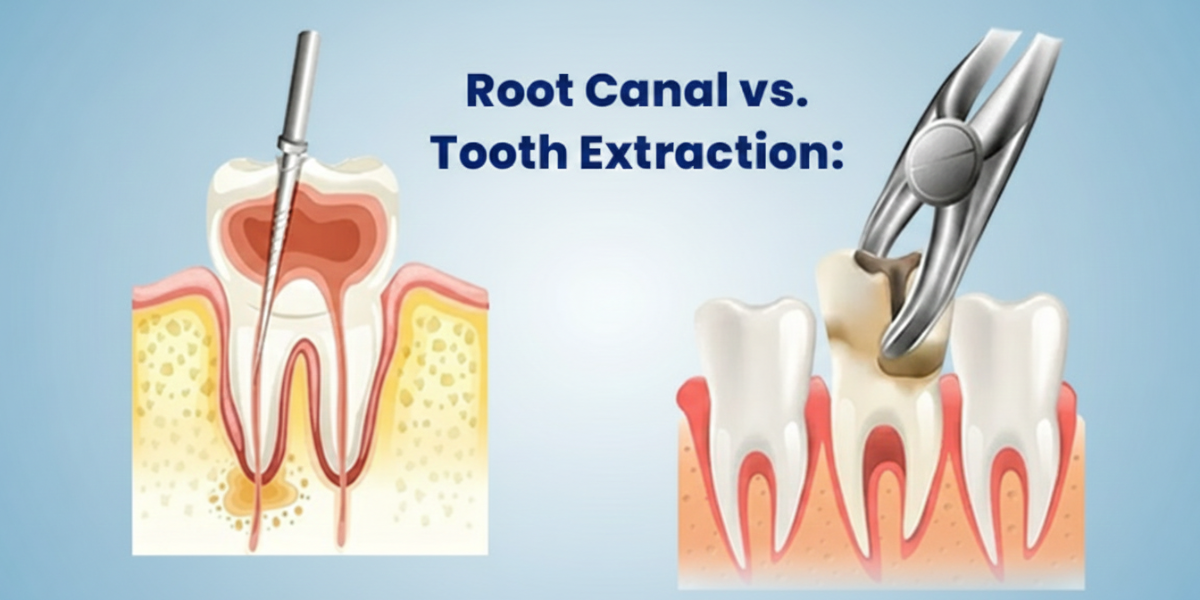
How to Maintain Oral Hygiene and Understanding Root Canal vs...

How MTH is Training the Next Generation of Compassionate Doc...

Medical Laboratory Services Ensuring Accurate and Reliable D...
Importance of Regular Health Screenings and Services at Madi...

How Madinah Teaching Hospital Provides Affordable Healthcare...

The Role of Physical Therapy in Faster Recovery at Madinah T...
Dentistry Services at Madinah Teaching Hospital Faisalabad

Hospital Overview and Institutional Trust at Madinah Teachin...
Role of Anaesthesia in Modern Surgery at Madinah Teaching Ho...
Breast Surgery at Madinah Teaching Hospital, Faisalabad

Get in touch with us today to get medical services
Subscribe Our Newsletter


Copyright 2026. All Rights Reserved By MTH