Common Stomach Issues Treatments and Healthy Diet for Liver Care
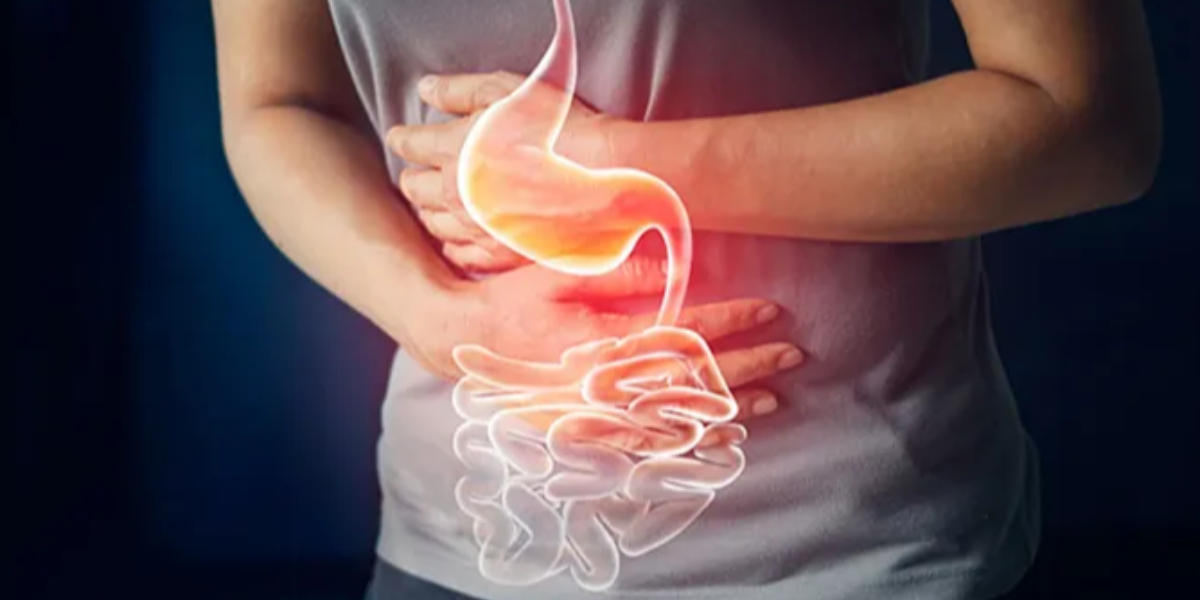
Managing your digestive health is often the cornerstone of overall well-being. Since the stomach and the liver work in tandem to process nutrients and filter toxins, issues in one often affect the other. Understanding common gastric ailments and adopting a liver-friendly lifestyle can significantly improve your quality of life.
Common Stomach Issues and Their Management
Most people experience digestive discomfort at some point, but understanding the root cause is key to finding the right treatment. One of the most frequent complaints is Acid Reflux or GERD, where stomach acid flows back into the esophagus, causing a burning sensation. While over-the-counter antacids provide quick relief, long-term management involves eating smaller meals and avoiding lying down immediately after eating.
Another prevalent issue is Indigestion (Dyspepsia), often characterized by bloating or a feeling of excessive fullness. This is frequently linked to eating too quickly or consuming high-fat foods. Similarly, Irritable Bowel Syndrome (IBS) affects many individuals, leading to cramping, gas, and altered bowel habits. Managing these conditions often requires a food diary to identify personal triggers; common culprits include caffeine, spicy foods, and artificial sweeteners.
For mild stomach upsets, natural remedies like ginger tea or peppermint can soothe the digestive tract. However, if symptoms persist, it is crucial to consult a professional to rule out more serious conditions like peptic ulcers or infections like H. pylori.
The Vital Role of the Liver
While the stomach breaks food down, the liver is your body’s primary chemical processing plant. It filters blood, detoxifies chemicals, and produces bile to digest fat. Because the liver is a silent worker, issues like Fatty Liver Disease often go unnoticed until they become advanced. Protecting this organ isn't just about avoiding "bad" things; it’s about fueling it with the right nutrients.
A Healthy Diet for Liver Care
A liver-friendly diet focuses on reducing inflammation and preventing the buildup of excess fat. Here are the essential components of a diet designed to support hepatic health:
- Embrace Fiber-Rich Grains: Oats, barley, and whole wheat help the liver function optimally by regulating glucose levels and providing sustained energy.
- Prioritize Leafy Greens: Vegetables like spinach, kale, and broccoli contain antioxidants that assist the liver in its detoxification process and reduce the risk of fatty deposits.
- Choose Healthy Fats: Replace saturated fats (like butter and fried foods) with unsaturated fats found in olive oil, avocados, and walnuts. These help reduce liver enzyme levels and inflammation.
- Hydration is Key: Water is the simplest and most effective way to help the liver flush out toxins. Staying well-hydrated ensures that the blood filtered by the liver remains at a healthy consistency.
- Moderation of Sugars and Salt: High fructose corn syrup and excessive salt are primary contributors to liver stress. Reducing processed snacks and sugary beverages is perhaps the most significant change you can make.
Conclusion
The secret to a healthy digestive system lies in consistency rather than restrictive dieting. By paying attention to how your stomach reacts to certain foods and proactively nourishing your liver with whole, unprocessed nutrients, you can prevent many common ailments before they start. Remember, a healthy gut and a strong liver are the foundations of a high-energy, disease-free life.
Share on Social Media
Recommended For You

How to Know When You Need to See a Medical Specialist?

What to Expect During Your First Visit to a Medical Speciali...

How to Choose a Hospital for Medical Treatment in Faisalabad

How to Choose the Right Doctor for Your Health Problem
Fatty Liver in Lean People: Why a Healthy Weight Doesn't Alw...

Skin Barrier Damage in 2026: How Over-Exfoliation and Skinca...
Silent Health Risks: Common Symptoms People Ignore Until The...
Beyond Aesthetics: How Reconstructive Plastic Surgery Restor...
From Desk Strain to Chronic Pain: How Ergonomics and Physica...
The Silent Connection: How Gum Disease Can Impact Your Heart...
Beyond Common Colds: Recognizing Early Signs of Developmenta...
Understanding Benign Breast Lumps: Why Early Evaluation Matt...
Scared of the Tube? How MTH Offers Stress-Free MRI Scans for...
Beyond the Report Card: How Academic Pressure Impacts Studen...
Life-Saving Interventions: Understanding Neonatal Surgery
Why See an ENT Specialist When Having Throat Problems?

Freedom of Movement: Modern Solutions in Orthopedic Surgery

Beyond the Eye Exam: How Comprehensive Ophthalmology Protect...

From Conception to Cradle: The Importance of Comprehensive P...
Food as Medicine: How Medical Nutrition Therapy Manages Chro...
Understanding Brain and Spine Surgery: When is it Necessary?
Kidney Health Awareness: Why Early Detection Matters
Why the Department of Medicine is the Backbone of a Hospital
How is Modern Technology in Medical Laboratories Transformin...
Foods That Support Liver Health and Detoxification
Top 10 Skin Care Tips Backed by Dermatologists

The Rising Trend of Virtual Dental Care and Why It Matters
Dentistry Department at Madinah Teaching Hospital, Faisalaba...

Breast Surgery Department at Madinah Teaching Hospital, Fais...

Anaesthesia Department at Madinah Teaching Hospital, Faisala...

Departments at Madinah Teaching Hospital Comprehensive Care...
Understanding Lab Reports and Importance of Blood Tests
Acne Care Tips and How to Manage Skin Allergies

Cosmetic and Reconstructive Surgery Top Plastic Procedures
How to Maintain Oral Hygiene and Understanding Root Canal vs...

How MTH is Training the Next Generation of Compassionate Doc...
Medical Laboratory Services Ensuring Accurate and Reliable D...
Importance of Regular Health Screenings and Services at Madi...

How Madinah Teaching Hospital Provides Affordable Healthcare...

The Role of Physical Therapy in Faster Recovery at Madinah T...
Dentistry Services at Madinah Teaching Hospital Faisalabad

Hospital Overview and Institutional Trust at Madinah Teachin...
Role of Anaesthesia in Modern Surgery at Madinah Teaching Ho...
Breast Surgery at Madinah Teaching Hospital, Faisalabad
Readers Also Viewed These Articles
Get in touch with us today to get medical services
Subscribe Our Newsletter


Copyright 2026. All Rights Reserved By MTH