
From Conception to Cradle: The Importance of Comprehensive Prenatal Care
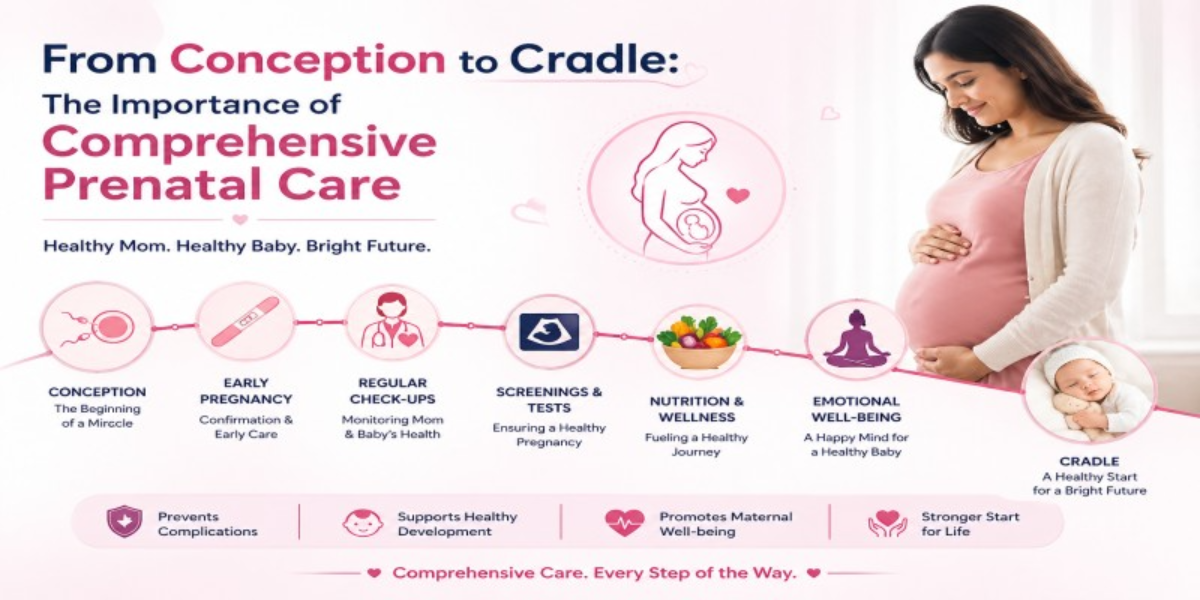
The journey of bringing a new life into the world is perhaps the most significant physiological and emotional milestone a woman can experience. From the moment of conception, a complex biological symphony begins, where every week brings new developments, new requirements, and new challenges. To navigate this path successfully, the role of a specialized Obstetrics & Gynaecology department cannot be overstated. It is not merely about the final act of delivery; it is about a continuous, structured, and medicalized partnership that begins the moment a pregnancy is confirmed. Comprehensive prenatal care serves as the essential bridge between a healthy pregnancy and a thriving newborn, ensuring that the transition from "conception to cradle" is managed with the highest standards of safety, expertise, and clinical precision.
The Evolution of Prenatal Science
In decades past, pregnancy was often viewed through a lens of "wait and see." Today, however, maternal-fetal medicine has evolved into a proactive and preventative science. We no longer wait for symptoms to appear; instead, we use advanced diagnostics to ensure that both mother and baby are meeting their biological milestones.
Comprehensive care is the process of monitoring the health of a pregnant woman and her fetus throughout the gestational period. This involves a series of scheduled visits, screenings, and lifestyle interventions that are designed to mitigate risks. In a world where lifestyle diseases like diabetes and hypertension are on the rise, the "medicalization" of the prenatal journey is a necessary evolution to ensure "Safe Motherhood."
The First Trimester: Building the Foundation
The first twelve weeks of pregnancy are the most critical for the baby’s development. During this stage, all the major organs and body systems begin to form. This is the period when the pregnancy is most vulnerable to external factors and internal imbalances.
Early Genetic and Health Screenings
Modern prenatal care begins with a thorough assessment of the mother’s baseline health. This includes:
- Blood Typing and Rh Factor: Identifying potential blood type incompatibilities between mother and child.
- Infection Screenings: Checking for rubella, hepatitis, and other infections that could impact fetal development.
- Early Ultrasounds: Confirming the viability of the pregnancy and establishing an accurate due date.
The Role of Nutritional Priming
A key component of early care is nutritional intervention. The development of the baby's neural tube, which eventually becomes the brain and spinal cord, happens very early. A specialized medical team ensures the mother is prescribed the correct dosages of Folic Acid, Iron, and Vitamin D, tailored to her specific blood profile rather than a generic supplement.
The Second Trimester: Monitoring Growth and Stability
Often referred to as the "golden period," the second trimester (weeks 13 to 27) is characterized by rapid fetal growth. This is the stage where the baby's movements become noticeable and the anatomical structures can be viewed in detail.
Anatomical Surveys (The Anomaly Scan)
One of the most important milestones in comprehensive care is the detailed anomaly scan. Using high-resolution ultrasound technology, specialists examine the baby’s heart, brain, kidneys, and limbs. Detecting structural issues at this stage allows for early planning and, in some specialized cases, even in-utero interventions.
Gestational Diabetes and Hypertension
The second trimester is also when the mother’s body is under the most metabolic stress. Clinical teams perform Glucose Tolerance Tests (GTT) to screen for gestational diabetes. If left undetected, this condition can lead to excessive birth weight (macrosomia) and complications during delivery. Similarly, monitoring for "silent" blood pressure spikes is crucial to prevent preeclampsia, a condition that can be life-threatening for both the mother and the baby.
High-Risk Pregnancy Management
Not every pregnancy follows a standard path. Many mothers face "high-risk" factors such as advanced maternal age, multiple gestations (twins or triplets), or pre-existing conditions like autoimmune diseases.
Expert Leadership at MTH
Managing these complexities requires more than just equipment; it requires seasoned leadership. At Madinah Teaching Hospital, the department operates under the clinical expertise of Prof. Dr. Mubashra Naz. Her role as the Head of Department is pivotal in handling complicated cases that require a multidisciplinary approach.
Under her supervision, the team utilizes evidence-based protocols to manage high-risk pregnancies, ensuring that even the most delicate cases are guided toward a safe delivery. The integration of neonatal intensive care support alongside maternal health services ensures that if a baby is born prematurely or with complications, the transition to specialized care is instantaneous.
The Third Trimester: Preparing for the Cradle
As the pregnancy enters the final stretch, the focus shifts toward preparation for labor and the health of the newborn. The third trimester is about "surveillance and strategy."
Fetal Wellbeing Assessments
In the final weeks, the medical team performs regular "Biophysical Profiles." This includes checking the volume of amniotic fluid and using Doppler ultrasounds to ensure that the placenta is providing adequate oxygen and nutrients to the baby. Any sign of "fetal distress" during this period may lead to a medical decision to induce labor or perform a C-section to protect the baby.
Birth Planning and Education
Comprehensive care involves educating the parents. This includes:
- Pain Management Education: Discussing options like Epidurals or natural birthing techniques.
- Signs of Labor: Teaching mothers how to distinguish between "Braxton Hicks" (false labor) and actual labor.
- Postpartum Readiness: Preparing the mother for breastfeeding and newborn care.
The Clinical Advantage of Madinah Teaching Hospital
Choosing where to undergo this journey is as important as the medical care itself. Madinah Teaching Hospital (MTH) stands as a beacon of maternal health in the region. The facility is designed to provide a "360-degree" care model.
Modern Labor Suites and Neonatal Support
MTH provides advanced labor rooms that prioritize both safety and patient comfort. Furthermore, the hospital’s strength lies in its "Integrated Care" model. Because MTH is a multi-specialty teaching hospital, mothers have access to cardiologists, endocrinologists, and nutritionists all under one roof, should any complications arise during the prenatal period.
The Postnatal Bridge: From Birth to Home
The "conception to cradle" journey does not end at the moment of birth. The "fourth trimester," the first six weeks after delivery, is a period of immense physical and emotional change for the mother.
Postpartum Recovery
During this time, the medical team monitors the mother for:
- Postpartum Hemorrhage: Ensuring the body is healing correctly after birth.
- Lactation Support: Providing professional help for breastfeeding challenges.
- Mental Health: Screening for postpartum depression, a common yet often ignored condition.
Newborn Screenings
While the mother recovers, the baby undergoes their first set of "cradle" checkups, including hearing tests, jaundice screenings, and metabolic blood tests. This holistic approach ensures that the family leaves the hospital with a clean bill of health and the confidence to begin their new life together.
Global Standards and Local Compassion
What sets a premier Obstetrics department apart is the ability to combine international medical standards with an understanding of local cultural needs. The team led by Prof. Dr. Mubashra Naz ensures that every patient is treated with dignity and empathy. This personalized touch reduces the anxiety associated with childbirth and fosters a sense of trust between the patient and the provider.
In Pakistan, improving maternal mortality rates is a national priority. By advocating for and providing comprehensive prenatal care, institutions like MTH are directly contributing to a healthier future for the nation. Every successful "Conception to Cradle" journey is a victory for public health.
8. Summary of Prenatal Care Milestones
To help parents stay organized, here is a quick reference for the essential components of comprehensive care:
|
|
|
|
|
|
|
|
|
|
|
|
|
|
|
|
|
|
|
|
Conclusion
The path from conception to the cradle is a journey of a thousand tiny miracles. However, each of those miracles relies on the steady hand of medical science and the watchful eye of experienced specialists. Comprehensive prenatal care is not just a luxury; it is the fundamental right of every mother and the best start for every child.
By entrusting your care to the Obstetrics & Gynaecology department at Madinah Teaching Hospital, you are ensuring that your journey into parenthood is supported by clinical excellence, modern technology, and a legacy of compassionate care.
Share on Social Media
Recommended For You

How to Know When You Need to See a Medical Specialist?

What to Expect During Your First Visit to a Medical Speciali...

How to Choose a Hospital for Medical Treatment in Faisalabad

How to Choose the Right Doctor for Your Health Problem

Fatty Liver in Lean People: Why a Healthy Weight Doesn't Alw...

Skin Barrier Damage in 2026: How Over-Exfoliation and Skinca...
Silent Health Risks: Common Symptoms People Ignore Until The...
Beyond Aesthetics: How Reconstructive Plastic Surgery Restor...

From Desk Strain to Chronic Pain: How Ergonomics and Physica...
The Silent Connection: How Gum Disease Can Impact Your Heart...
Beyond Common Colds: Recognizing Early Signs of Developmenta...
Understanding Benign Breast Lumps: Why Early Evaluation Matt...
Scared of the Tube? How MTH Offers Stress-Free MRI Scans for...
Beyond the Report Card: How Academic Pressure Impacts Studen...
Life-Saving Interventions: Understanding Neonatal Surgery

Why See an ENT Specialist When Having Throat Problems?

Freedom of Movement: Modern Solutions in Orthopedic Surgery

Beyond the Eye Exam: How Comprehensive Ophthalmology Protect...
Food as Medicine: How Medical Nutrition Therapy Manages Chro...
Understanding Brain and Spine Surgery: When is it Necessary?
Kidney Health Awareness: Why Early Detection Matters

Why the Department of Medicine is the Backbone of a Hospital

How is Modern Technology in Medical Laboratories Transformin...
Foods That Support Liver Health and Detoxification
Top 10 Skin Care Tips Backed by Dermatologists

The Rising Trend of Virtual Dental Care and Why It Matters

Dentistry Department at Madinah Teaching Hospital, Faisalaba...

Breast Surgery Department at Madinah Teaching Hospital, Fais...

Anaesthesia Department at Madinah Teaching Hospital, Faisala...

Departments at Madinah Teaching Hospital Comprehensive Care...
Understanding Lab Reports and Importance of Blood Tests

Common Stomach Issues Treatments and Healthy Diet for Liver...

Acne Care Tips and How to Manage Skin Allergies

Cosmetic and Reconstructive Surgery Top Plastic Procedures

How to Maintain Oral Hygiene and Understanding Root Canal vs...
How MTH is Training the Next Generation of Compassionate Doc...
Medical Laboratory Services Ensuring Accurate and Reliable D...
Importance of Regular Health Screenings and Services at Madi...

How Madinah Teaching Hospital Provides Affordable Healthcare...

The Role of Physical Therapy in Faster Recovery at Madinah T...

Dentistry Services at Madinah Teaching Hospital Faisalabad

Hospital Overview and Institutional Trust at Madinah Teachin...
Role of Anaesthesia in Modern Surgery at Madinah Teaching Ho...
Breast Surgery at Madinah Teaching Hospital, Faisalabad


Get in touch with us today to get medical services
Subscribe Our Newsletter


Copyright 2026. All Rights Reserved By MTH