How is Modern Technology in Medical Laboratories Transforming Healthcare Outcomes?
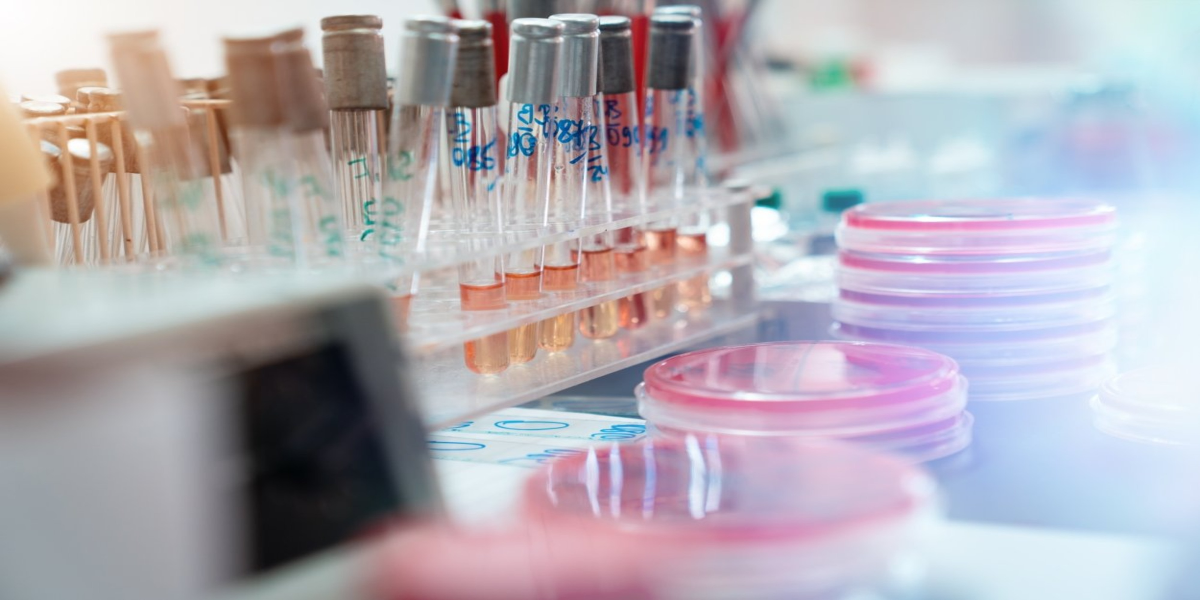
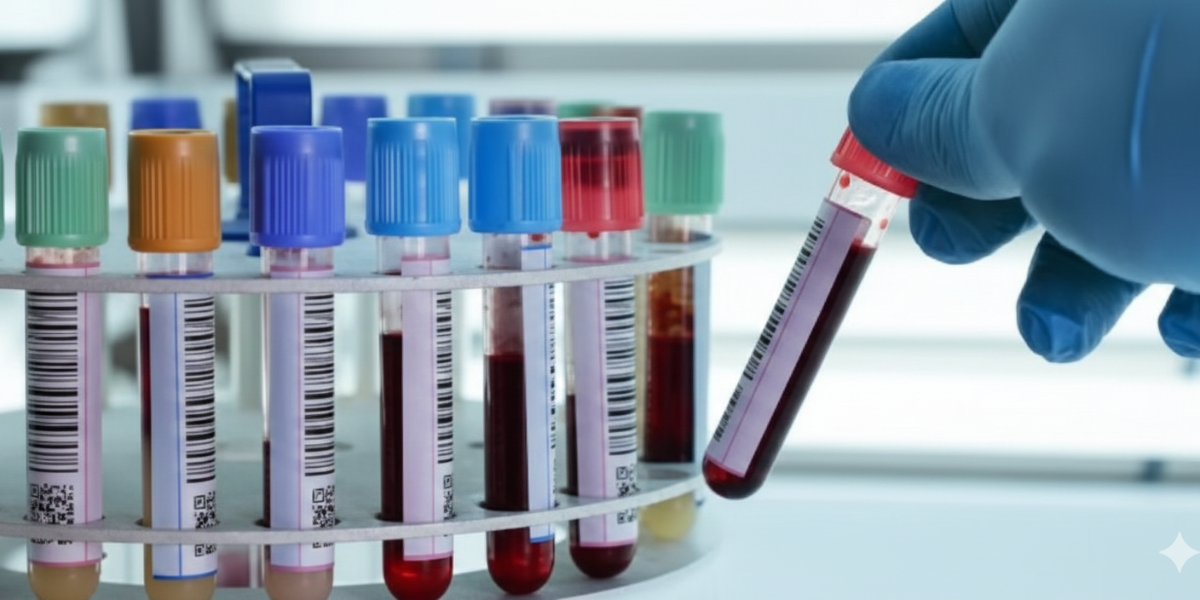
Modern healthcare heavily depends on advanced diagnostic systems, and medical laboratories are at the heart of this transformation. With the integration of cutting-edge tools and automation, laboratories can deliver faster, more accurate, and reliable results. The Medical Laboratory services offered at Madinah Teaching Hospital play a crucial role in supporting doctors with precise diagnostic and treatment data, ensuring better patient care and improved health outcomes.
Evolution of Medical Laboratory Technology
The evolution of medical laboratory technology has significantly enhanced the accuracy of diagnostic testing. Automated analyzers, digital imaging systems, and computer-based data management have reduced human error and increased efficiency. These technologies allow laboratories to process a large number of samples in a short time, which is essential in emergencies. As a result, patients receive timely diagnoses, leading to quicker treatment decisions and improved recovery rates.
Role of Molecular Diagnostics
One of the most impactful advancements in modern laboratories is the use of molecular diagnostics, including PCR testing. These techniques enable early detection of diseases such as infections, genetic disorders, and cancers. Early diagnosis plays a critical role in improving treatment outcomes and reducing complications.
In the middle of this technological progress, Madinah Teaching Hospital continues to adopt innovative solutions that enhance diagnostic accuracy and patient care standards.
Digital Transformation and Laboratory Systems
Another important aspect of modern laboratory technology is the integration of information systems. Laboratory Information Management Systems (LIMS) help in maintaining patient records, tracking samples, and delivering reports efficiently. This digital transformation improves workflow, reduces delays, and ensures reliable results for better clinical decisions.
Quality Assurance and Accuracy
Quality assurance has also improved with technological advancements. Modern laboratories follow strict protocols and use advanced equipment to ensure consistent and accurate results. Automated systems and AI integration further enhance precision and minimize errors, which directly improves patient safety and trust in healthcare systems.
Contribution to Preventive Healthcare
Modern laboratory technologies also play a vital role in preventive healthcare. Regular screenings and diagnostic tests help detect diseases at an early stage, allowing timely intervention and better management of health conditions. This proactive approach reduces healthcare costs and improves overall public health outcomes.
Conclusion
In conclusion, modern technology has transformed medical laboratories into highly efficient and reliable components of healthcare systems. From early disease detection to accurate diagnosis and treatment monitoring, these advancements continue to improve healthcare outcomes worldwide. To explore more healthcare insights and updates, visit the Our Blog section.
Share on Social Media
Recommended For You

How to Know When You Need to See a Medical Specialist?

What to Expect During Your First Visit to a Medical Speciali...

How to Choose a Hospital for Medical Treatment in Faisalabad

How to Choose the Right Doctor for Your Health Problem

Fatty Liver in Lean People: Why a Healthy Weight Doesn't Alw...

Skin Barrier Damage in 2026: How Over-Exfoliation and Skinca...
Silent Health Risks: Common Symptoms People Ignore Until The...
Beyond Aesthetics: How Reconstructive Plastic Surgery Restor...
From Desk Strain to Chronic Pain: How Ergonomics and Physica...
The Silent Connection: How Gum Disease Can Impact Your Heart...
Beyond Common Colds: Recognizing Early Signs of Developmenta...
Understanding Benign Breast Lumps: Why Early Evaluation Matt...
Scared of the Tube? How MTH Offers Stress-Free MRI Scans for...
Beyond the Report Card: How Academic Pressure Impacts Studen...
Life-Saving Interventions: Understanding Neonatal Surgery
Why See an ENT Specialist When Having Throat Problems?
Freedom of Movement: Modern Solutions in Orthopedic Surgery
Beyond the Eye Exam: How Comprehensive Ophthalmology Protect...

From Conception to Cradle: The Importance of Comprehensive P...
Food as Medicine: How Medical Nutrition Therapy Manages Chro...
Understanding Brain and Spine Surgery: When is it Necessary?
Kidney Health Awareness: Why Early Detection Matters
Why the Department of Medicine is the Backbone of a Hospital
Foods That Support Liver Health and Detoxification
Top 10 Skin Care Tips Backed by Dermatologists
The Rising Trend of Virtual Dental Care and Why It Matters
Dentistry Department at Madinah Teaching Hospital, Faisalaba...
Breast Surgery Department at Madinah Teaching Hospital, Fais...
Anaesthesia Department at Madinah Teaching Hospital, Faisala...

Departments at Madinah Teaching Hospital Comprehensive Care...
Understanding Lab Reports and Importance of Blood Tests

Common Stomach Issues Treatments and Healthy Diet for Liver...

Acne Care Tips and How to Manage Skin Allergies

Cosmetic and Reconstructive Surgery Top Plastic Procedures
How to Maintain Oral Hygiene and Understanding Root Canal vs...
How MTH is Training the Next Generation of Compassionate Doc...
Medical Laboratory Services Ensuring Accurate and Reliable D...
Importance of Regular Health Screenings and Services at Madi...

How Madinah Teaching Hospital Provides Affordable Healthcare...

The Role of Physical Therapy in Faster Recovery at Madinah T...
Dentistry Services at Madinah Teaching Hospital Faisalabad

Hospital Overview and Institutional Trust at Madinah Teachin...
Role of Anaesthesia in Modern Surgery at Madinah Teaching Ho...
Breast Surgery at Madinah Teaching Hospital, Faisalabad
Readers Also Viewed These Articles

Get in touch with us today to get medical services
Subscribe Our Newsletter


Copyright 2026. All Rights Reserved By MTH