Why the Department of Medicine is the Backbone of a Hospital

The Department of Medicine plays a central role in every hospital, providing comprehensive care for a wide range of health conditions. It is often the first point of contact for patients seeking diagnosis and treatment. The Medicine department at leading healthcare institutions ensures that patients receive expert evaluation, accurate diagnosis, and effective treatment plans, making it a cornerstone of modern healthcare systems.
Comprehensive Patient Care
One of the key reasons the Department of Medicine is considered the backbone of a hospital is its ability to manage diverse medical conditions. From common illnesses to complex chronic diseases, this department handles a wide spectrum of cases. Physicians in this field are trained to assess patients holistically, considering multiple factors before recommending treatment. This comprehensive approach ensures better patient outcomes and long-term health management.
Central Role in Diagnosis
The Department of Medicine works closely with diagnostic units such as laboratories and imaging centers to identify diseases accurately. Internists rely on detailed patient histories, clinical examinations, and advanced diagnostic reports to reach precise conclusions. This collaboration ensures that patients receive timely and accurate diagnoses, which are essential for effective treatment.
24/7 Emergency and Critical Care
Another important aspect of the medicine department is its role in emergency and critical care services. Many hospitals depend on their medicine teams to handle urgent cases, stabilize patients, and manage life-threatening conditions. In the middle of these essential services, Madinah Teaching Hospital provides continuous medical care through its dedicated professionals and advanced facilities, ensuring that patients receive immediate attention when needed.
Management of Chronic Diseases
Chronic conditions such as diabetes, hypertension, and heart disease require ongoing care and monitoring. The Department of Medicine specializes in managing these long-term illnesses by providing regular checkups, medication adjustments, and lifestyle guidance. This continuous care helps patients maintain a better quality of life and prevents complications.
Coordination with Specialized Departments
The Department of Medicine also acts as a bridge between different specialties within a hospital. When patients require advanced care, internists refer them to specialists such as cardiologists, neurologists, or nephrologists. This coordination ensures a smooth healthcare journey and comprehensive treatment for patients with complex conditions.
Training and Medical Education
In teaching hospitals, the Department of Medicine plays a vital role in training future doctors. Through clinical rotations, case discussions, and research activities, medical students and trainees gain valuable experience. This educational function not only strengthens the healthcare system but also ensures the availability of skilled professionals in the future.
Conclusion
The Department of Medicine is truly the backbone of a hospital due to its wide-ranging responsibilities and essential role in patient care. From diagnosis and treatment to emergency services and chronic disease management, it supports every aspect of healthcare delivery. To learn more about healthcare services and medical insights, visit the Our Blog section.
Share on Social Media
Recommended For You

How to Know When You Need to See a Medical Specialist?

What to Expect During Your First Visit to a Medical Speciali...

How to Choose a Hospital for Medical Treatment in Faisalabad

How to Choose the Right Doctor for Your Health Problem
Fatty Liver in Lean People: Why a Healthy Weight Doesn't Alw...

Skin Barrier Damage in 2026: How Over-Exfoliation and Skinca...
Silent Health Risks: Common Symptoms People Ignore Until The...
Beyond Aesthetics: How Reconstructive Plastic Surgery Restor...
From Desk Strain to Chronic Pain: How Ergonomics and Physica...
The Silent Connection: How Gum Disease Can Impact Your Heart...
Beyond Common Colds: Recognizing Early Signs of Developmenta...
Understanding Benign Breast Lumps: Why Early Evaluation Matt...
Scared of the Tube? How MTH Offers Stress-Free MRI Scans for...
Beyond the Report Card: How Academic Pressure Impacts Studen...
Life-Saving Interventions: Understanding Neonatal Surgery
Why See an ENT Specialist When Having Throat Problems?
Freedom of Movement: Modern Solutions in Orthopedic Surgery

Beyond the Eye Exam: How Comprehensive Ophthalmology Protect...

From Conception to Cradle: The Importance of Comprehensive P...
Food as Medicine: How Medical Nutrition Therapy Manages Chro...
Understanding Brain and Spine Surgery: When is it Necessary?
Kidney Health Awareness: Why Early Detection Matters
How is Modern Technology in Medical Laboratories Transformin...
Foods That Support Liver Health and Detoxification
Top 10 Skin Care Tips Backed by Dermatologists
The Rising Trend of Virtual Dental Care and Why It Matters
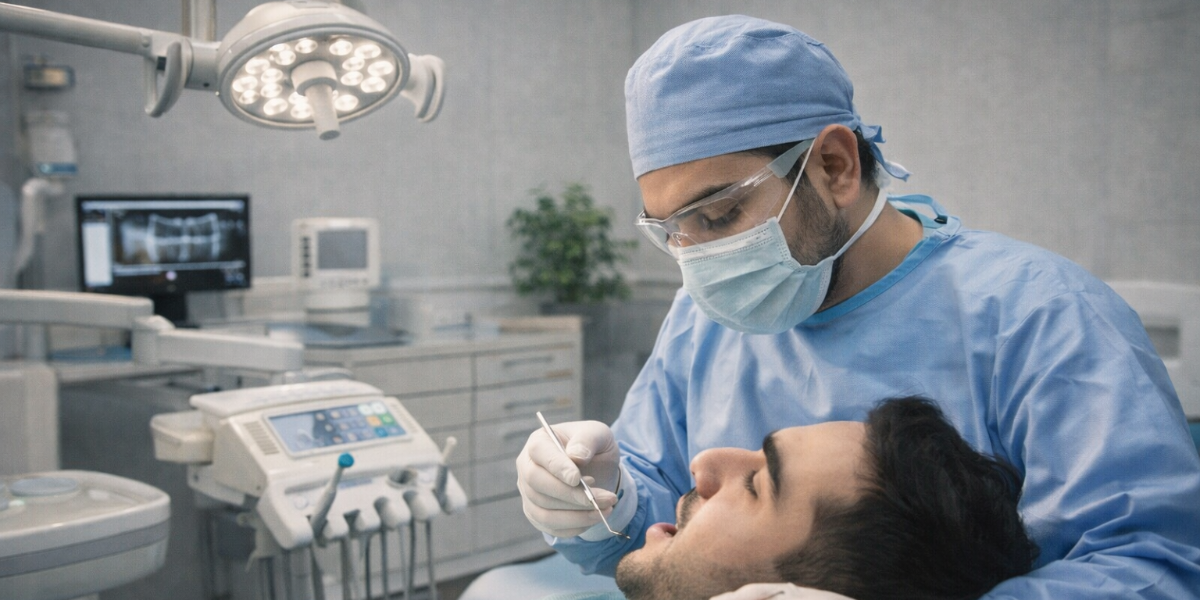
Dentistry Department at Madinah Teaching Hospital, Faisalaba...
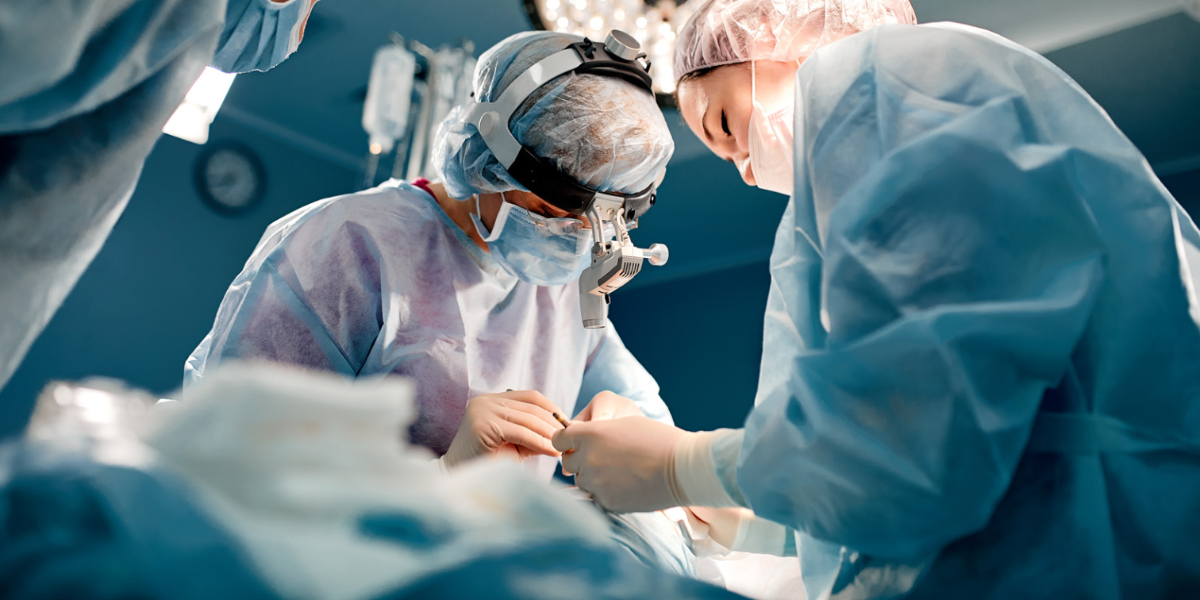
Breast Surgery Department at Madinah Teaching Hospital, Fais...
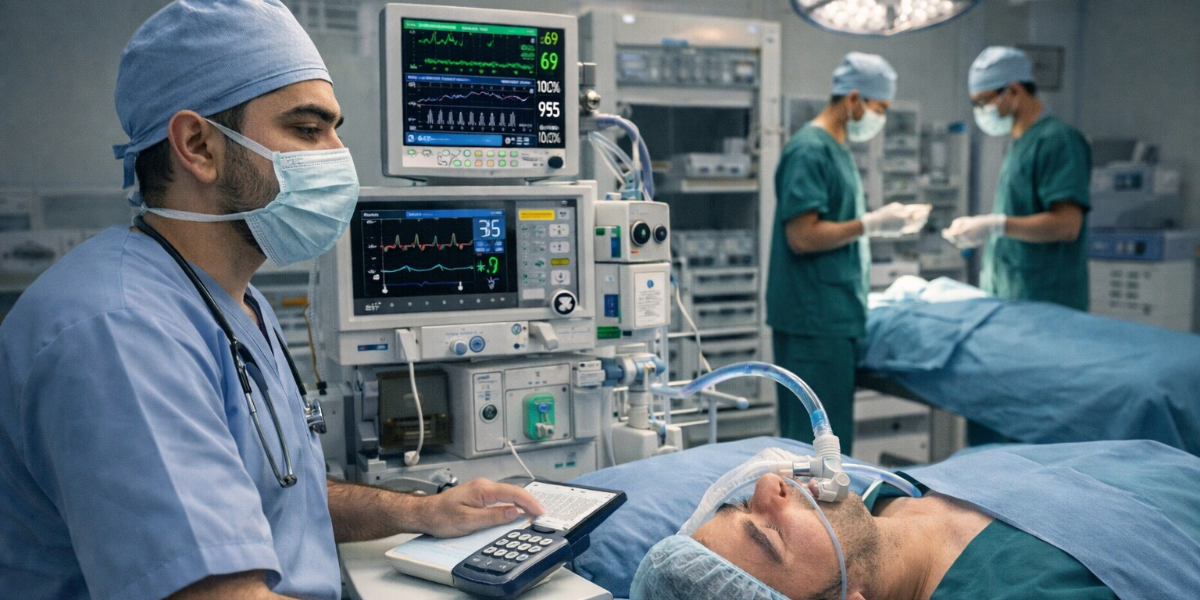
Anaesthesia Department at Madinah Teaching Hospital, Faisala...

Departments at Madinah Teaching Hospital Comprehensive Care...
Understanding Lab Reports and Importance of Blood Tests
Common Stomach Issues Treatments and Healthy Diet for Liver...

Acne Care Tips and How to Manage Skin Allergies

Cosmetic and Reconstructive Surgery Top Plastic Procedures
How to Maintain Oral Hygiene and Understanding Root Canal vs...
How MTH is Training the Next Generation of Compassionate Doc...
Medical Laboratory Services Ensuring Accurate and Reliable D...
Importance of Regular Health Screenings and Services at Madi...

How Madinah Teaching Hospital Provides Affordable Healthcare...

The Role of Physical Therapy in Faster Recovery at Madinah T...
Dentistry Services at Madinah Teaching Hospital Faisalabad

Hospital Overview and Institutional Trust at Madinah Teachin...
Role of Anaesthesia in Modern Surgery at Madinah Teaching Ho...
Breast Surgery at Madinah Teaching Hospital, Faisalabad
Readers Also Viewed These Articles

Get in touch with us today to get medical services
Subscribe Our Newsletter


Copyright 2026. All Rights Reserved By MTH