
Scared of the Tube? How MTH Offers Stress-Free MRI Scans for Claustrophobic and Young Patients
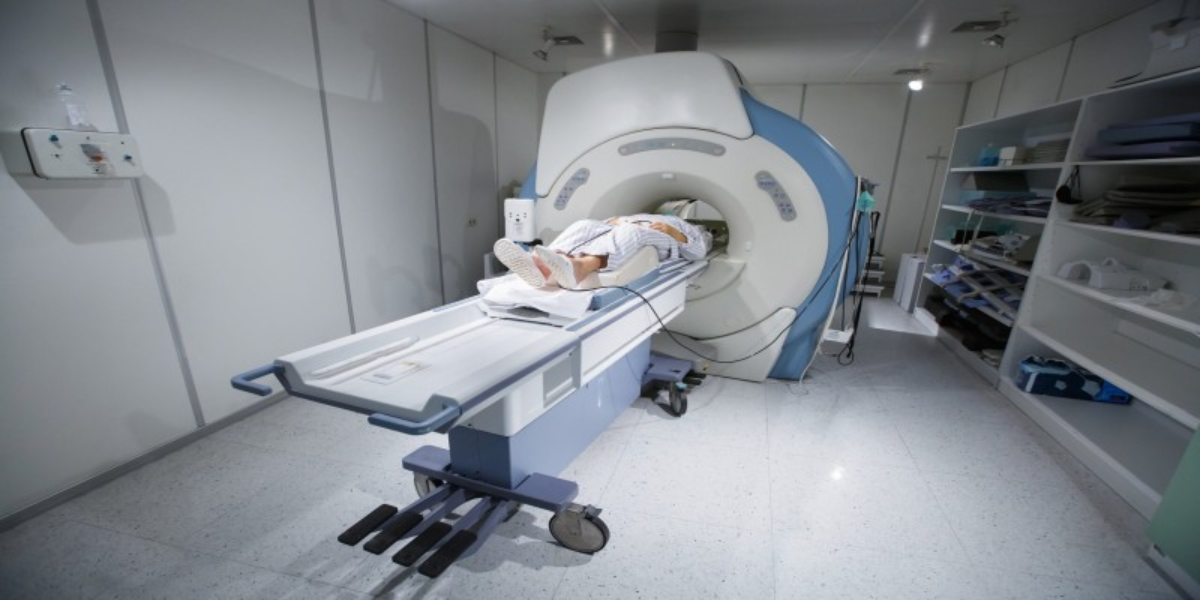
For many individuals, being told they need an MRI scan brings a sudden wave of intense anxiety. While we readily understand the diagnostic power of medical imaging, the thought of sliding into a narrow, loud, enclosed cylinder can trigger genuine dread. This fear is far from rare, as clinical studies show that up to fifteen percent of patients experience significant claustrophobia or situational anxiety during an imaging session, occasionally leading them to cancel necessary appointments entirely.
For young children, the challenge is doubled because expecting a five-year-old to lie perfectly still for thirty to forty-five minutes inside a loud machine without panicking is a major hurdle for parents. At Madinah Teaching Hospital, patient care goes completely beyond providing advanced medical technology; it centers on delivering that technology with deep empathy, comfort, and specialized clinical protocols designed to put the human mind at ease.
Understanding MRI Anxiety: Why the Tube Triggers Fear
To conquer MRI anxiety, it helps to understand exactly what causes it in the first place. The classic closed MRI machine relies on a powerful cylindrical magnet that creates a tunnel-like environment, which can easily cause discomfort due to enclosed spatial confinement, intense acoustic noise, and the demand for total immobility. The physical proximity of the cylinder walls to the patient’s face can trigger an instinctive, primal claustrophobic response, convincing the mind that there is an immediate lack of space or fresh air.
As the machine shifts its magnetic fields to capture highly detailed internal images, it produces a series of loud, repetitive thumping, knocking, and clicking sounds that can be deeply startling without proper mental preparation. Furthermore, the pressure of knowing that moving even a fraction of an inch could blur the scan and force a complete restart adds an intense layer of performance anxiety.
Advanced Solutions for Adult Claustrophobia
The expert radiology staff recognizes that these fears are entirely valid biological responses rather than something patients should simply tough out. By combining advanced imaging technology with structural modifications and gentle patient handling, the team makes adult claustrophobia completely manageable.
For instance, modern systems utilize short-bore architecture, which significantly reduces the length of the tunnel, allowing many scans to be completed with the patient’s head entirely outside of the machine. To counter the loud thumping sounds, patients are provided with specialized, non-magnetic noise-canceling headphones or earplugs that buffer the sound and allow the technologist to play calming audio or talk directly to the patient throughout the scan.
Overcoming Isolation with Professional Care
Isolation often feeds panic, which is why you are never truly alone in the room. The radiographer maintains constant visual contact through a large observation window and remains linked to you via a two-way intercom system. Patients are also given a handheld safety squeeze-bulb that immediately alerts the technologist to pause the scan, slide you out, and give you a moment to catch your breath.
For individuals with severe, deeply rooted claustrophobia or panic disorders, the Department of Radiology at MTH is one of the few premier centers in Faisalabad equipped to perform MRI under conscious sedation or monitored anesthesia care. Working hand-in-hand with the hospital’s dedicated anesthesia department, highly trained professionals can administer a safe, fast-acting sedative that allows you to comfortably sleep through the entire procedure while your vital signs are monitored continuously.
Gentle Pathways for Pediatric Patients
Getting a clear MRI of a young child requires an entirely unique approach because children cannot easily rationalize why they must stay completely still inside a noisy machine. The radiology team utilizes customized pediatric imaging strategies that involve friendly preparation and demystification of the equipment. The staff takes the time to introduce young patients to the look and sounds of the machine in a gentle manner, framing the experience as a fun space adventure.
Whenever medically safe and appropriate, parents are permitted to stay in the room right next to their child, holding their hand to provide continuous physical comfort. For infants, toddlers, or highly anxious children who cannot remain still, a dedicated pediatric anesthesiologist administers a carefully calculated, safe sedative, ensuring the child drifts into a light sleep so the team can capture crisp, accurate diagnostic data quickly.
From Accurate Diagnostic Images to Long-Term Wellness
An MRI scan is rarely an isolated event; it is a critical diagnostic step toward resolving an underlying health puzzle and building an accurate treatment pathway. Once a clear diagnosis is secured via radiology, long-term health management often shifts toward holistic and lifestyle-based recovery strategies.
For instance, if an abdominal MRI reveals chronic metabolic or digestive conditions, medical intervention is frequently paired with targeted dietary changes. Understanding how targeted lifestyle shifts can stabilize your body is a vital part of long-term wellness, and exploring specialized medical guidance, such as the comprehensive resource on Food as Medicine: How Medical Nutrition Therapy Manages Chronic Disease, demonstrates how accurate diagnostics pave the way for successful therapeutic adjustments.
Empowering Health Through Compassionate Technology
Medical technology should never be a source of terror for patients in need. The advanced infrastructure at Madinah Teaching Hospital exists to serve the community, and the true measure of that service lies in making sophisticated diagnostics accessible and comfortable for everyone, including our most vulnerable, anxious, and youngest patients.
You do not have to let claustrophobia or fear compromise your medical care or delay an essential diagnosis. With modern machinery, noise-buffering tools, compassionate staff, and safe, professional sedation options, the path to diagnostic clarity is completely secure, calm, and stress-free, transforming the dreaded tube into a simple, reassuring step toward your complete recovery.
Conclusion
Taking the first step toward booking or attending an imaging appointment requires overcoming a significant psychological hurdle when you struggle with claustrophobia. Too often, patients delay critical screenings out of fear, allowing manageable conditions to progress without a proper medical roadmap. By shifting the focus from a purely rigid, technical procedure to a deeply personalized, patient-centric experience, healthcare settings can completely reframe how individuals view advanced diagnostics.
When a medical center proactively anticipates your anxiety and provides concrete structural solutions such as conscious sedation or real-time communication tools, it removes the hidden burden of shame or failure that anxious patients often feel. Ultimate healing begins the moment a patient feels completely safe, heard, and structurally supported by their medical team before the machinery even turns on.
Share on Social Media
Recommended For You

How to Know When You Need to See a Medical Specialist?

What to Expect During Your First Visit to a Medical Speciali...

How to Choose a Hospital for Medical Treatment in Faisalabad

How to Choose the Right Doctor for Your Health Problem

Fatty Liver in Lean People: Why a Healthy Weight Doesn't Alw...

Skin Barrier Damage in 2026: How Over-Exfoliation and Skinca...
Silent Health Risks: Common Symptoms People Ignore Until The...
Beyond Aesthetics: How Reconstructive Plastic Surgery Restor...
From Desk Strain to Chronic Pain: How Ergonomics and Physica...
The Silent Connection: How Gum Disease Can Impact Your Heart...
Beyond Common Colds: Recognizing Early Signs of Developmenta...
Understanding Benign Breast Lumps: Why Early Evaluation Matt...

Beyond the Report Card: How Academic Pressure Impacts Studen...
Life-Saving Interventions: Understanding Neonatal Surgery

Why See an ENT Specialist When Having Throat Problems?
Freedom of Movement: Modern Solutions in Orthopedic Surgery

Beyond the Eye Exam: How Comprehensive Ophthalmology Protect...

From Conception to Cradle: The Importance of Comprehensive P...

Food as Medicine: How Medical Nutrition Therapy Manages Chro...
Understanding Brain and Spine Surgery: When is it Necessary?

Kidney Health Awareness: Why Early Detection Matters

Why the Department of Medicine is the Backbone of a Hospital

How is Modern Technology in Medical Laboratories Transformin...
Foods That Support Liver Health and Detoxification

Top 10 Skin Care Tips Backed by Dermatologists
The Rising Trend of Virtual Dental Care and Why It Matters
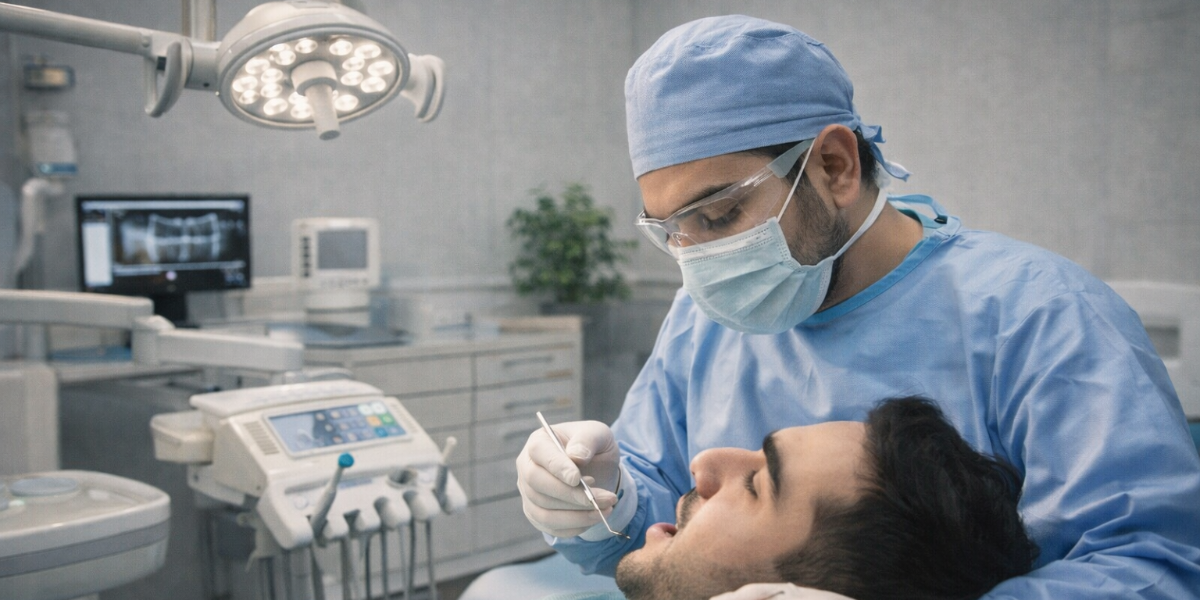
Dentistry Department at Madinah Teaching Hospital, Faisalaba...
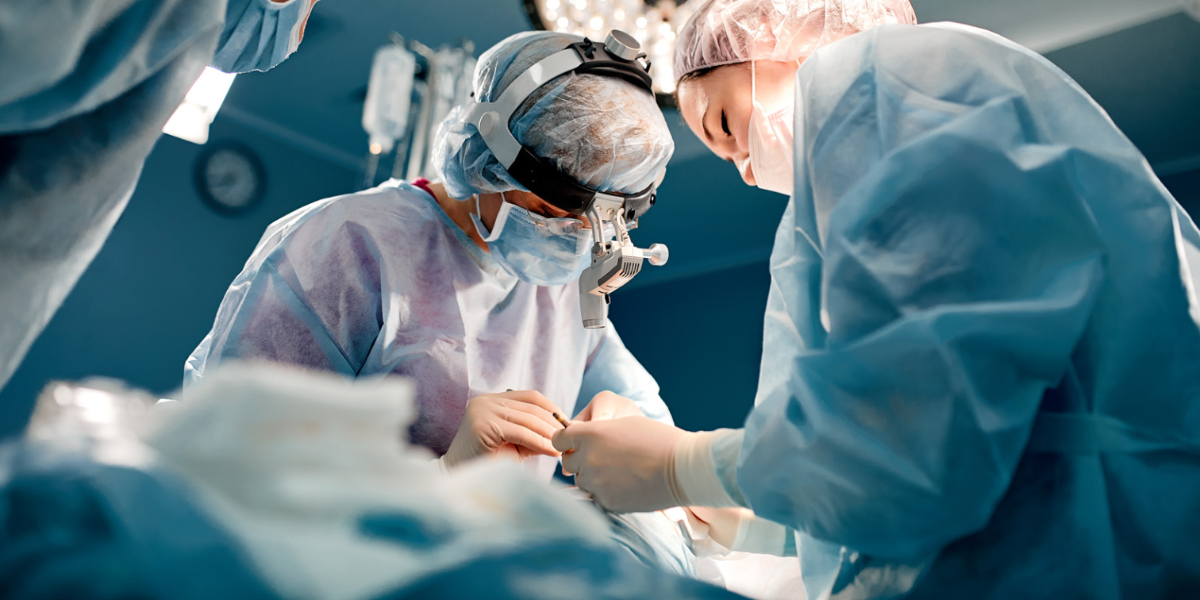
Breast Surgery Department at Madinah Teaching Hospital, Fais...
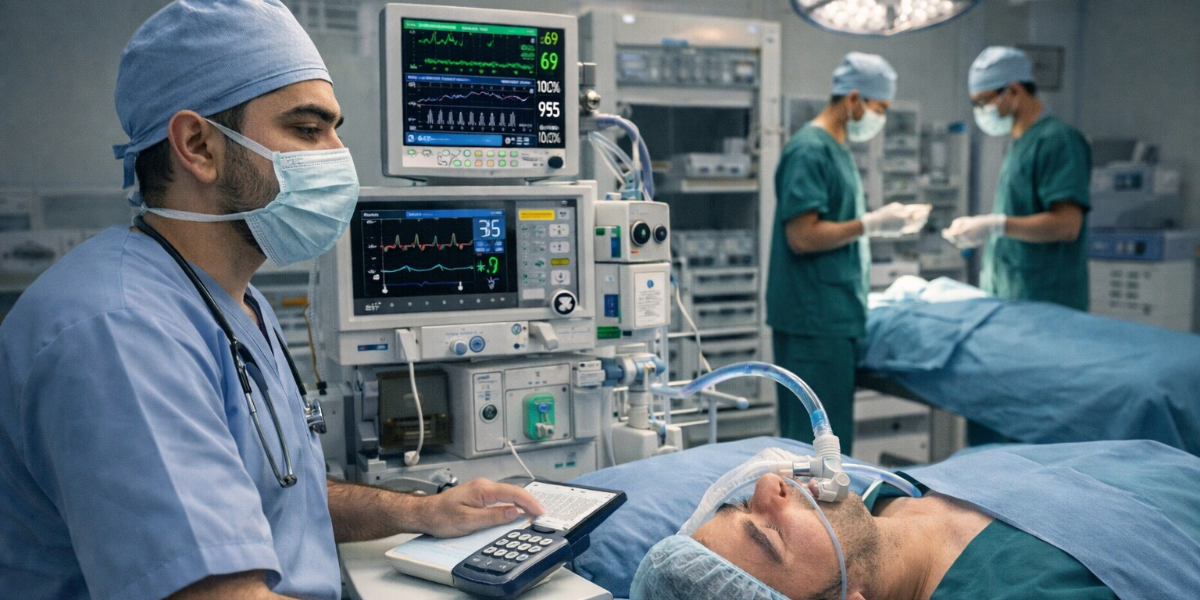
Anaesthesia Department at Madinah Teaching Hospital, Faisala...

Departments at Madinah Teaching Hospital Comprehensive Care...

Understanding Lab Reports and Importance of Blood Tests

Common Stomach Issues Treatments and Healthy Diet for Liver...

Acne Care Tips and How to Manage Skin Allergies

Cosmetic and Reconstructive Surgery Top Plastic Procedures

How to Maintain Oral Hygiene and Understanding Root Canal vs...

How MTH is Training the Next Generation of Compassionate Doc...

Medical Laboratory Services Ensuring Accurate and Reliable D...

Importance of Regular Health Screenings and Services at Madi...

How Madinah Teaching Hospital Provides Affordable Healthcare...
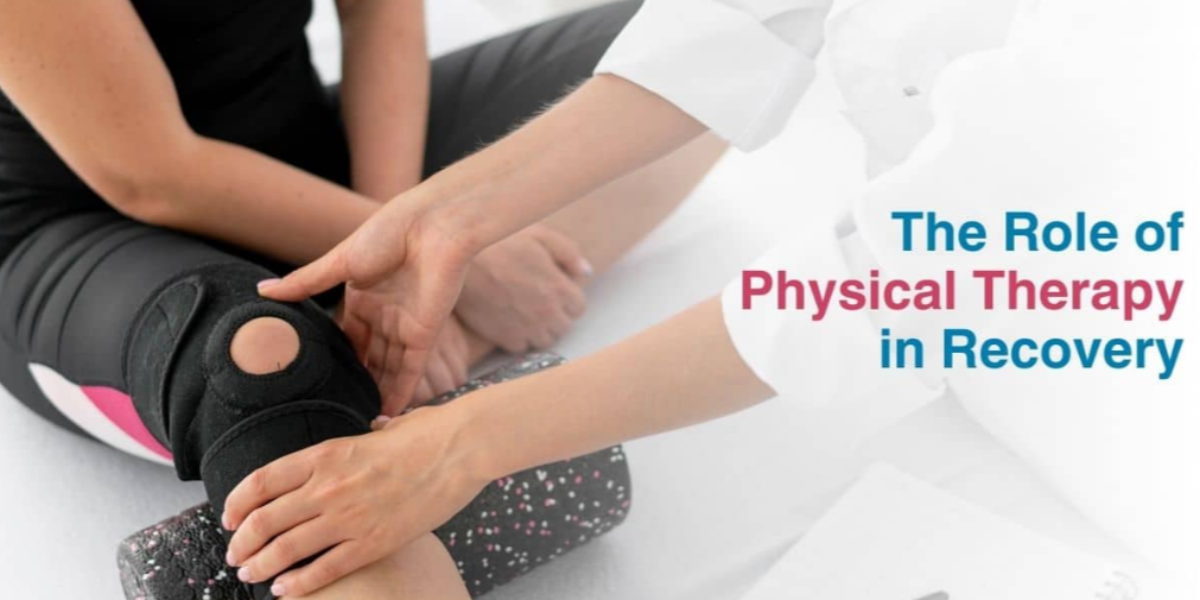
The Role of Physical Therapy in Faster Recovery at Madinah T...
Dentistry Services at Madinah Teaching Hospital Faisalabad

Hospital Overview and Institutional Trust at Madinah Teachin...
Role of Anaesthesia in Modern Surgery at Madinah Teaching Ho...
Breast Surgery at Madinah Teaching Hospital, Faisalabad


Get in touch with us today to get medical services
Subscribe Our Newsletter


Copyright 2026. All Rights Reserved By MTH