Fatty Liver in Lean People: Why a Healthy Weight Doesn't Always Mean a Healthy Liver
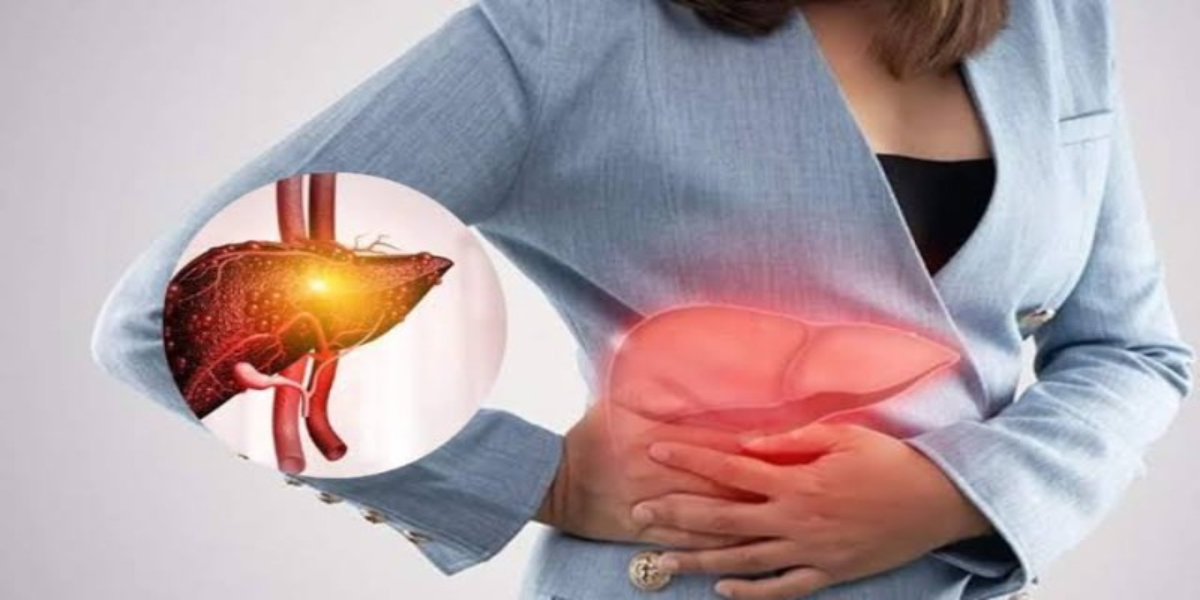
When discussing fatty liver disease, public perception often associates internal fat accumulation exclusively with higher body weight or central obesity. However, non-alcoholic fatty liver disease, now clinically referred to as metabolic dysfunction-associated steatotic liver disease, frequently develops in individuals with a normal body mass index. This condition, known as lean fatty liver disease, highlights the complex relationship between genetics, visceral fat, and internal metabolic health. To explore comprehensive medical specialties and clinical services, visit the official Madinah Teaching Hospital.
Defining Lean Fatty Liver Disease
Lean fatty liver disease occurs when excessive fat stores accumulate within liver cells in individuals who maintain a normal weight and healthy body mass index.
Because outward physical appearance suggests good health, lean individuals rarely suspect that their liver might be accumulating fat or experiencing localized inflammation.
This misconception often delays early screening, allowing internal metabolic changes to progress quietly without physical detection.
The Role of Visceral Fat and Genetics
Unlike subcutaneous fat that settles directly beneath the skin, visceral fat accumulates deep inside the abdominal cavity, surrounding internal organs like the liver and pancreas.
Specialized clinical evaluation, diagnostic imaging, and metabolic management plans are provided by the expert team within the Madinah Teaching Hospital Gastroenterology & Hepatology Department. Hepatology specialists analyze liver enzymes, evaluate metabolic parameters, and construct targeted treatment plans to clear liver fat.
Lean individuals can carry disproportionate amounts of hidden visceral fat due to genetic predispositions, sedentary habits, or poor dietary quality.
This hidden visceral fat releases inflammatory signals and free fatty acids directly into the liver through the portal vein, driving fat accumulation regardless of overall body weight.
Dietary Drivers and Metabolic Dysfunction
High consumption of refined carbohydrates, ultra-processed foods, and fructose-sweetened beverages plays a major role in driving hepatic fat synthesis in lean individuals.
When the body processes excess dietary sugar, particularly refined fructose, the liver converts this surplus energy into triglycerides through a process called de novo lipogenesis.
Over time, this continuous chemical processing creates intrahepatic fat stores, even if total daily caloric intake is not causing noticeable weight gain.
Insulin Resistance in Normal-Weight Individuals
Insulin resistance is a primary driver of fatty liver disease, and it can occur in individuals of any body shape or size.
When peripheral muscle and adipose tissues become resistant to insulin signals, the body produces higher levels of circulating insulin to maintain normal blood sugar levels.
These elevated insulin levels promote fat storage within hepatocytes and inhibit the liver's natural ability to break down and clear existing fat deposits.
Diagnostic Challenges and Early Identification
Because lean individuals do not fit the traditional visual profile for metabolic liver conditions, routine screenings are often overlooked.
Diagnosis frequently occurs unexpectedly during routine health checkups, when elevated liver enzymes like alanine aminotransferase are discovered on basic blood panels.
Non-invasive diagnostic tools, such as high-resolution abdominal ultrasounds and specialized liver elastography, provide essential visual data to confirm hepatic fat accumulation and evaluate tissue elasticity.
Long-Term Health Risks of Unmanaged Lean Fatty Liver
If left unmanaged, fat accumulation in lean individuals can trigger localized inflammation, leading to non-alcoholic steatohepatitis and progressive tissue scarring.
Lean individuals with fatty liver disease face metabolic risks similar to those with higher body weights, including increased vulnerability to type 2 diabetes and cardiovascular disease.
Early detection and active management are critical for clearing hepatic fat and preventing long-term liver fibrosis or cirrhosis.
Actionable Steps to Clear Liver Fat
Reversing lean fatty liver disease relies on targeted metabolic improvements rather than significant caloric restriction or weight loss.
Shifting daily nutrition toward whole foods, high-fiber vegetables, lean proteins, and unsaturated fats while cutting refined sugars helps lower intrahepatic fat storage.
Engaging in regular exercise combining aerobic movement with strength training improves muscular insulin sensitivity, boosts fat oxidation, and helps clear liver fat regardless of changes on the scale.
Conclusion
Maintaining a normal body weight is a positive health factor, but it does not guarantee complete protection against internal metabolic conditions like lean fatty liver disease. Recognizing that hidden visceral fat, refined dietary habits, and insulin resistance can affect lean individuals is essential for early prevention. By prioritizing balanced nutrition, regular exercise, and routine health screenings, lean individuals can protect their liver health and overall metabolic wellness. Taking charge of your internal health today ensures a strong, resilient liver for the future
Share on Social Media
Recommended For You

How to Know When You Need to See a Medical Specialist?

What to Expect During Your First Visit to a Medical Speciali...

How to Choose a Hospital for Medical Treatment in Faisalabad

How to Choose the Right Doctor for Your Health Problem

Skin Barrier Damage in 2026: How Over-Exfoliation and Skinca...
Silent Health Risks: Common Symptoms People Ignore Until The...

Beyond Aesthetics: How Reconstructive Plastic Surgery Restor...

From Desk Strain to Chronic Pain: How Ergonomics and Physica...
The Silent Connection: How Gum Disease Can Impact Your Heart...
Beyond Common Colds: Recognizing Early Signs of Developmenta...
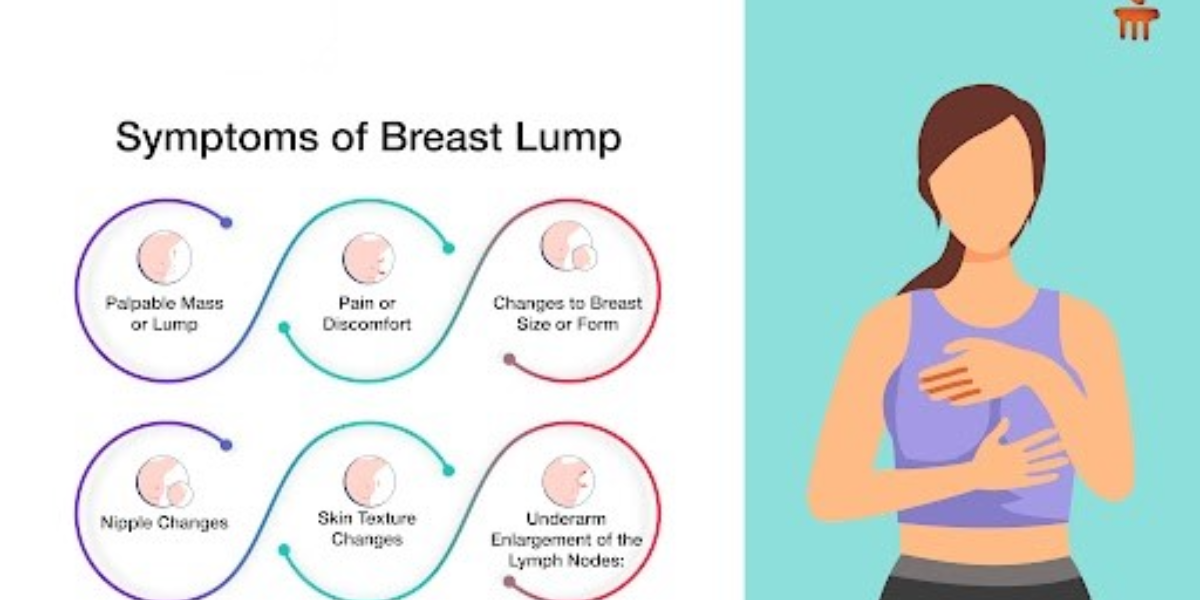
Understanding Benign Breast Lumps: Why Early Evaluation Matt...
Scared of the Tube? How MTH Offers Stress-Free MRI Scans for...

Beyond the Report Card: How Academic Pressure Impacts Studen...
Life-Saving Interventions: Understanding Neonatal Surgery
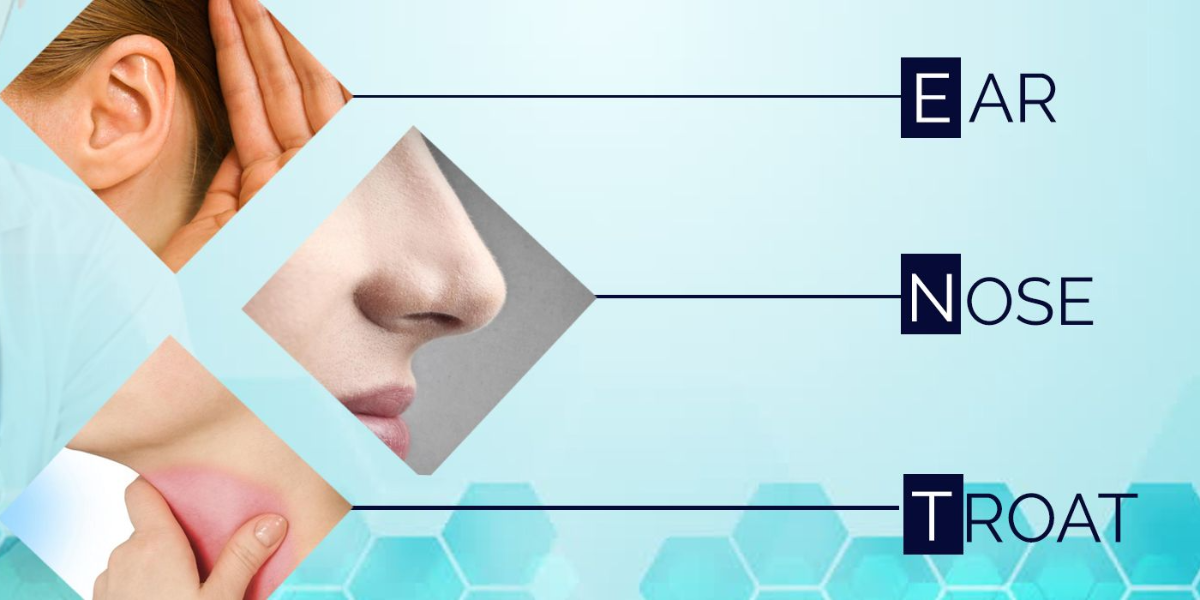
Why See an ENT Specialist When Having Throat Problems?
Freedom of Movement: Modern Solutions in Orthopedic Surgery

Beyond the Eye Exam: How Comprehensive Ophthalmology Protect...

From Conception to Cradle: The Importance of Comprehensive P...
Food as Medicine: How Medical Nutrition Therapy Manages Chro...
Understanding Brain and Spine Surgery: When is it Necessary?
Kidney Health Awareness: Why Early Detection Matters
Why the Department of Medicine is the Backbone of a Hospital

How is Modern Technology in Medical Laboratories Transformin...
Foods That Support Liver Health and Detoxification
Top 10 Skin Care Tips Backed by Dermatologists
The Rising Trend of Virtual Dental Care and Why It Matters
Dentistry Department at Madinah Teaching Hospital, Faisalaba...

Breast Surgery Department at Madinah Teaching Hospital, Fais...

Anaesthesia Department at Madinah Teaching Hospital, Faisala...

Departments at Madinah Teaching Hospital Comprehensive Care...
Understanding Lab Reports and Importance of Blood Tests
Common Stomach Issues Treatments and Healthy Diet for Liver...
Acne Care Tips and How to Manage Skin Allergies

Cosmetic and Reconstructive Surgery Top Plastic Procedures
How to Maintain Oral Hygiene and Understanding Root Canal vs...

How MTH is Training the Next Generation of Compassionate Doc...
Medical Laboratory Services Ensuring Accurate and Reliable D...

Importance of Regular Health Screenings and Services at Madi...

How Madinah Teaching Hospital Provides Affordable Healthcare...

The Role of Physical Therapy in Faster Recovery at Madinah T...
Dentistry Services at Madinah Teaching Hospital Faisalabad

Hospital Overview and Institutional Trust at Madinah Teachin...
Role of Anaesthesia in Modern Surgery at Madinah Teaching Ho...
Breast Surgery at Madinah Teaching Hospital, Faisalabad
Readers Also Viewed These Articles

Get in touch with us today to get medical services

Madinah Teaching Hospital, Sargodha Road, Faisalabad
- EMAIL US: [email protected]
- CALL US: 041-8869862
Subscribe Our Newsletter


Copyright 2026. All Rights Reserved By MTH