
How to Choose the Right Doctor for Your Health Problem

Choosing the right doctor is an important step when you have a health concern. The right doctor can help you understand your symptoms, identify the possible cause, and guide you toward suitable treatment. However, many people are unsure which doctor they should visit for a specific health problem.
Before booking an appointment, it is useful to understand your symptoms, know which type of doctor can help, and check the doctor's experience and area of care. This can make your healthcare journey easier and help you prepare better for your visit.
Start by Understanding Your Health Problem
The first step is to understand what kind of health problem you are experiencing. Think about your main symptoms, how long you have had them, and whether they are getting better or worse.
For example, a person with a skin problem may need to see a dermatologist, while someone with ongoing stomach problems may need a gastroenterologist. Similarly, joint pain, breathing problems, or vision changes may require different medical specialists.
You do not need to diagnose yourself. Instead, focus on describing your symptoms clearly. This information can help you and the doctor understand what type of medical care may be needed.
Know Which Type of Doctor You Need
Doctors have different areas of medical training and care. Knowing the general type of doctor related to your symptoms can help you choose an appropriate healthcare professional.
Some common examples include:
- General physician: For common illnesses, general health concerns, and initial medical evaluation.
- Cardiologist: For heart and blood vessel-related problems.
- Dermatologist: For skin, hair, and nail conditions.
- Orthopedic specialist: For bones, joints, muscles, and related problems.
- Neurologist: For conditions involving the brain, nerves, and nervous system.
- Gynecologist: For women's reproductive and related health concerns.
- Pediatrician: For the healthcare needs of children.
- ENT specialist: For problems related to the ear, nose, and throat.
If you are not sure which specialist you need, starting with a general physician can be helpful. They can assess your condition and may guide you to the appropriate specialist if further care is required.
Check the Doctor's Experience and Area of Care
Once you know the type of doctor you may need, check their professional background and area of care. Look for information about their medical qualification, specialty, clinical experience, and the types of conditions they commonly manage.
A doctor's area of care should match your health concern as closely as possible. For example, if you have a long-term joint problem, you may want to look for a doctor who regularly treats musculoskeletal conditions.
You can also review information available through a hospital's official website. This may help you understand the doctors working there and their areas of expertise.
Review the Hospital and Its Medical Departments
Choosing a doctor also means considering where the doctor provides care. A hospital with different medical departments can be useful when your condition requires further tests, specialist consultation, or support from more than one department.
Before making an appointment, review the hospital's medical departments to understand which healthcare areas and specialist services may be relevant to your health concern.
For example, Madinah Teaching Hospital (MTH) provides different medical departments and specialist services for patients. Reviewing the available departments can help you identify the healthcare area that best matches your symptoms and treatment needs.
Look at the Hospital's Medical Team
The medical team is another important factor to consider. Hospitals may have doctors from different specialties, along with nurses, technicians, and other healthcare professionals who support patient care.
Before selecting a doctor, you can review the hospital's medical experts to learn about doctors, their specialties, and their areas of clinical care. This can make it easier to find a healthcare professional whose experience is relevant to your health concern.
When reviewing a doctor's profile, pay attention to their specialty, qualifications, experience, and clinical focus rather than choosing only because of a title or popularity.
Consider the Facilities and Diagnostic Services
Some health problems may require medical tests before a doctor can make a clear diagnosis. Therefore, it is useful to consider whether the hospital has relevant diagnostic and support services.
Depending on the health concern, these may include laboratory testing, imaging services, emergency care, pharmacy services, or other clinical facilities.
Having these services available in one healthcare setting may make the process more convenient, especially when a patient needs follow-up tests or consultation with another specialist.
Check Appointment and Consultation Information
Before visiting a doctor, check the hospital's appointment process. Look for information about consultation timings, appointment booking, location, and any documents you may need to bring.
If the hospital provides online appointment information, review it before your visit. You can also prepare a short list of your symptoms, previous medical reports, medicines you are taking, and questions you want to ask.
Good preparation can help you use your consultation time more effectively.
Ask the Right Questions During Your Visit
Once you meet the doctor, do not hesitate to ask questions about your health problem. Clear communication can help you better understand your condition and treatment plan.
You may ask:
- What could be causing my symptoms?
- Do I need any medical tests?
- What treatment options are available?
- How should I manage my condition at home?
- When should I return for a follow-up?
- Are there any warning signs I should watch for?
If you do not understand something, ask the doctor to explain it in simpler words. It is also useful to use reliable health information to prepare questions and better understand your healthcare options before or after speaking with a health professional.
Consider Location and Follow-Up Care
The location of the hospital can also matter, especially if your health problem requires regular appointments or long-term treatment.
A nearby healthcare facility may make follow-up visits easier. However, location should be considered alongside the doctor's specialty, hospital services, and your healthcare needs.
For ongoing conditions, ask about follow-up appointments and how you can contact the hospital if you have questions after your visit.
Choose Based on Your Healthcare Needs
There is no single doctor who is right for every health problem. Your choice should depend on your symptoms, medical needs, the doctor's specialty, and the available hospital services.
When deciding how to choose the right doctor for your health problem, focus on relevant medical expertise and the quality of care available for your specific situation.
Take time to compare the available information instead of choosing a doctor only because someone recommended them. A recommendation can be a useful starting point, but your own healthcare needs should also be considered.
Conclusion
Knowing how to choose the right doctor for your health problem can help you take a more informed approach to your healthcare. Start by understanding your symptoms, identify the relevant medical specialty, and review the doctor's qualifications and area of care.
It is also useful to check the hospital's departments, medical team, facilities, appointment process, and follow-up services. MTH provides healthcare information that patients can review through its website before planning a visit.
Taking these simple steps can help you prepare for your consultation and communicate your health concerns more clearly with your doctor.
Share on Social Media
Recommended For You

How to Know When You Need to See a Medical Specialist?

What to Expect During Your First Visit to a Medical Speciali...

How to Choose a Hospital for Medical Treatment in Faisalabad

Fatty Liver in Lean People: Why a Healthy Weight Doesn't Alw...

Skin Barrier Damage in 2026: How Over-Exfoliation and Skinca...
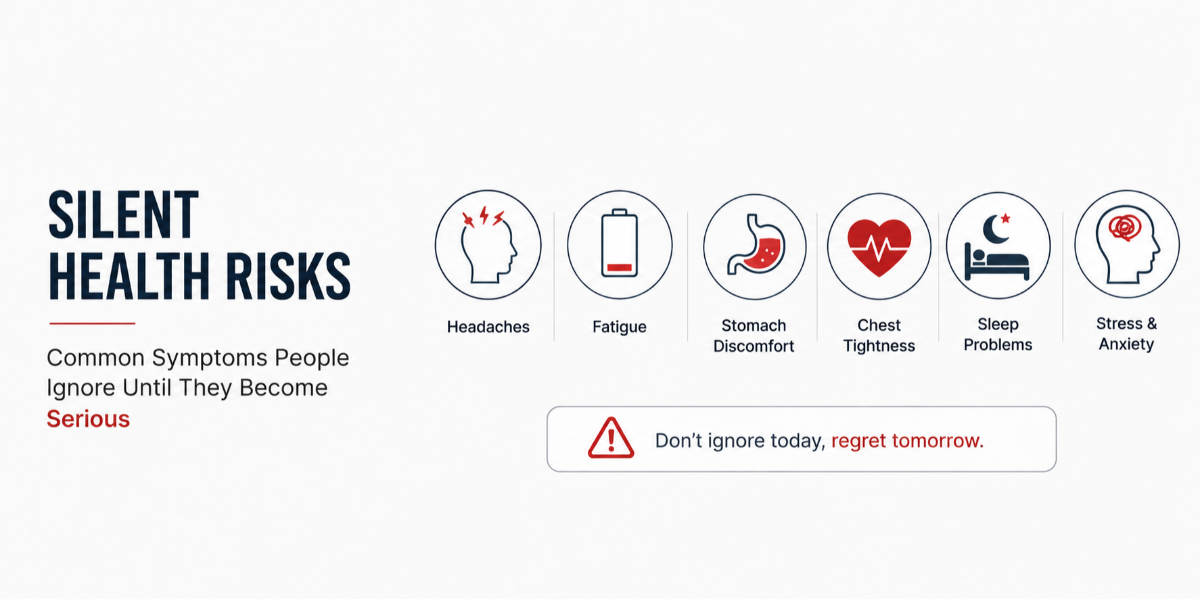
Silent Health Risks: Common Symptoms People Ignore Until The...

Beyond Aesthetics: How Reconstructive Plastic Surgery Restor...

From Desk Strain to Chronic Pain: How Ergonomics and Physica...
The Silent Connection: How Gum Disease Can Impact Your Heart...

Beyond Common Colds: Recognizing Early Signs of Developmenta...
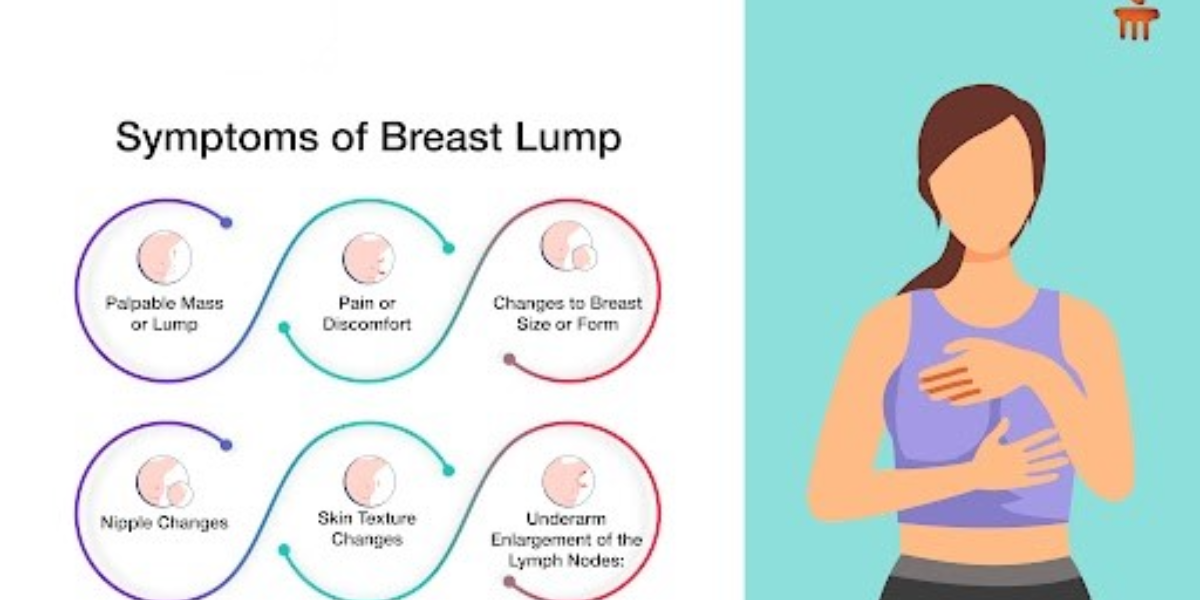
Understanding Benign Breast Lumps: Why Early Evaluation Matt...

Scared of the Tube? How MTH Offers Stress-Free MRI Scans for...

Beyond the Report Card: How Academic Pressure Impacts Studen...

Life-Saving Interventions: Understanding Neonatal Surgery

Why See an ENT Specialist When Having Throat Problems?

Freedom of Movement: Modern Solutions in Orthopedic Surgery

Beyond the Eye Exam: How Comprehensive Ophthalmology Protect...

From Conception to Cradle: The Importance of Comprehensive P...
Food as Medicine: How Medical Nutrition Therapy Manages Chro...
Understanding Brain and Spine Surgery: When is it Necessary?

Kidney Health Awareness: Why Early Detection Matters

Why the Department of Medicine is the Backbone of a Hospital

How is Modern Technology in Medical Laboratories Transformin...

Foods That Support Liver Health and Detoxification

Top 10 Skin Care Tips Backed by Dermatologists

The Rising Trend of Virtual Dental Care and Why It Matters

Dentistry Department at Madinah Teaching Hospital, Faisalaba...

Breast Surgery Department at Madinah Teaching Hospital, Fais...

Anaesthesia Department at Madinah Teaching Hospital, Faisala...

Departments at Madinah Teaching Hospital Comprehensive Care...

Understanding Lab Reports and Importance of Blood Tests

Common Stomach Issues Treatments and Healthy Diet for Liver...

Acne Care Tips and How to Manage Skin Allergies

Cosmetic and Reconstructive Surgery Top Plastic Procedures
How to Maintain Oral Hygiene and Understanding Root Canal vs...

How MTH is Training the Next Generation of Compassionate Doc...

Medical Laboratory Services Ensuring Accurate and Reliable D...

Importance of Regular Health Screenings and Services at Madi...

How Madinah Teaching Hospital Provides Affordable Healthcare...

The Role of Physical Therapy in Faster Recovery at Madinah T...

Dentistry Services at Madinah Teaching Hospital Faisalabad

Hospital Overview and Institutional Trust at Madinah Teachin...

Role of Anaesthesia in Modern Surgery at Madinah Teaching Ho...

Breast Surgery at Madinah Teaching Hospital, Faisalabad


Get in touch with us today to get medical services
Subscribe Our Newsletter


Copyright 2026. All Rights Reserved By MTH