
The Silent Connection: How Gum Disease Can Impact Your Heart Health and Diabetes
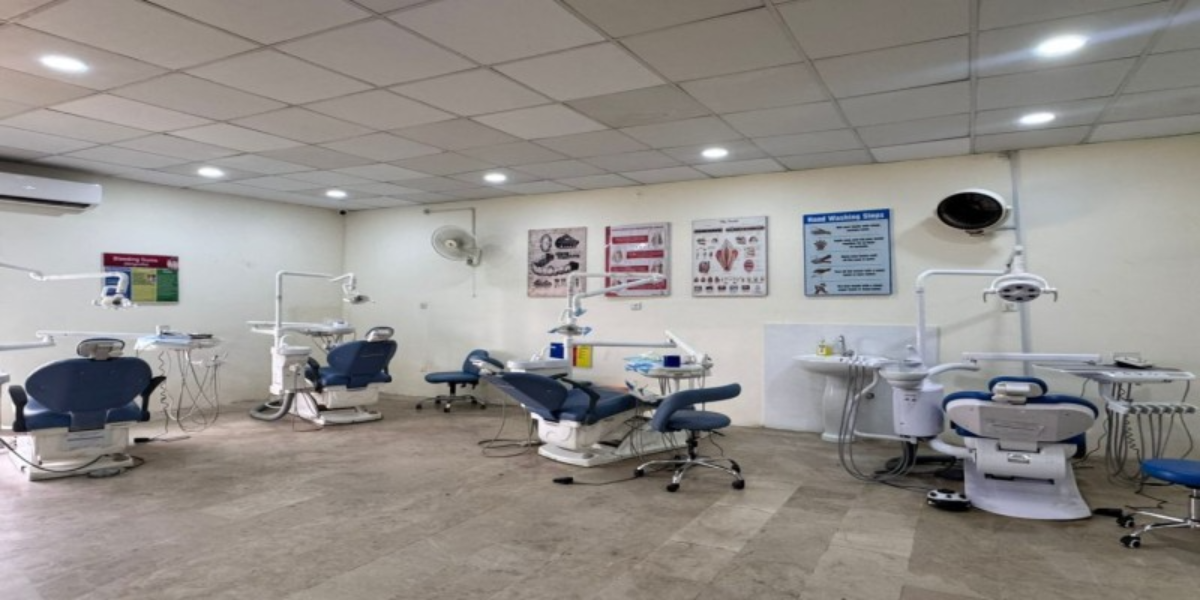
When we think about dental hygiene, we usually focus on keeping our teeth white, avoiding cavities, or freshening our breath. However, the health of your gums goes much deeper than just a confident smile. Modern dentistry reveals that your mouth acts as a primary gateway to the rest of your body. Ignoring bleeding or swollen gums can have serious consequences for your systemic health. At Madinah Teaching Hospital, our specialized Periodontology Department focuses on treating the deep-seated tissues that support your teeth, preventing localized infections from turning into full-body health crises.
The Inflammatory Link to Heart Disease
For many years, doctors believed that the link between gum disease and heart problems was simply a shared risk factor, like a poor diet or smoking. However, research now confirms that periodontitis, which is advanced gum disease, directly contributes to cardiovascular issues. The bacteria causing the infection in your mouth can easily enter the bloodstream through weak, bleeding gums.
Once these bacteria travel through your circulatory system, they can attach to fatty deposits in the heart's blood vessels. This triggers a localized inflammatory response, which can cause the blood vessels to narrow or clot, ultimately increasing the risk of a heart attack or stroke. Taking care of your gums is quite literally a step toward protecting your heart.
A Two-Way Street: Gum Disease and Diabetes
The relationship between oral health and diabetes is incredibly strong and works both ways. People living with diabetes are much more prone to developing severe gum infections because their bodies have a reduced ability to fight off bacterial growth.
The reverse is also true, which is a fact that frequently surprises patients. According to insights shared by the HOD of Periodontology, Dr. Sakina Qazi, chronic inflammation in the mouth actually makes it harder for the body to utilize insulin efficiently. This means that an untreated gum infection can actively cause your blood sugar levels to spike, making diabetes much more difficult to manage. Treating periodontitis is often a vital, missing piece of the puzzle in stabilizing a patient's diabetic health.
Early Warning Signs You Shouldn't Ignore
Gum disease is notoriously quiet in its early stages, often causing little to no pain while it quietly damages the bone beneath. Because it does not always hurt, many people assume everything is fine until the damage is severe.
You should always look out for early warning signs such as redness, persistent puffiness, or blood in the sink when you brush and floss. Chronic bad breath that does not go away with mouthwash, receding gums that make your teeth look longer, or a slight loosening of your teeth are all clear indicators that the infection is progressing. Catching these signs early allows for simple, non-surgical treatments that stop the disease in its tracks.
Modern Solutions for Proactive Care
Thankfully, keeping up with your oral health has become much easier with the help of digital healthcare innovations. If you are unsure whether your symptoms require an urgent clinic visit, you can read about The Rising Trend of Virtual Dental Care to see how remote consultations help patients get timely advice from home. Utilizing digital triage ensures you never delay necessary care for chronic oral issues.
Conclusion
Understanding the deep connection between your mouth and your body is the first major step toward achieving complete, comprehensive health. As we have explored, untreated gum infections are far from a localized dental issue; they act as a silent driver for serious chronic conditions. The dangerous path where oral bacteria slip into the bloodstream can directly compromise your cardiovascular system, while the resulting chronic inflammation actively destabilizes insulin absorption for diabetic patients. Recognizing subtle red flags like bleeding gums, persistent bad breath, or puffiness is absolutely critical to stopping this progression before it damages your internal organs. By utilizing modern digital dental resources for timely consultations and scheduling routine, specialized periodontal screenings, you are not just protecting your smile, you are actively safeguarding your heart, stabilizing your blood sugar, and investing in a healthier, longer life.
Share on Social Media
Recommended For You

How to Know When You Need to See a Medical Specialist?

What to Expect During Your First Visit to a Medical Speciali...

How to Choose a Hospital for Medical Treatment in Faisalabad

How to Choose the Right Doctor for Your Health Problem

Fatty Liver in Lean People: Why a Healthy Weight Doesn't Alw...

Skin Barrier Damage in 2026: How Over-Exfoliation and Skinca...
Silent Health Risks: Common Symptoms People Ignore Until The...

Beyond Aesthetics: How Reconstructive Plastic Surgery Restor...

From Desk Strain to Chronic Pain: How Ergonomics and Physica...
Beyond Common Colds: Recognizing Early Signs of Developmenta...
Understanding Benign Breast Lumps: Why Early Evaluation Matt...

Scared of the Tube? How MTH Offers Stress-Free MRI Scans for...
Beyond the Report Card: How Academic Pressure Impacts Studen...

Life-Saving Interventions: Understanding Neonatal Surgery

Why See an ENT Specialist When Having Throat Problems?

Freedom of Movement: Modern Solutions in Orthopedic Surgery

Beyond the Eye Exam: How Comprehensive Ophthalmology Protect...

From Conception to Cradle: The Importance of Comprehensive P...
Food as Medicine: How Medical Nutrition Therapy Manages Chro...
Understanding Brain and Spine Surgery: When is it Necessary?

Kidney Health Awareness: Why Early Detection Matters

Why the Department of Medicine is the Backbone of a Hospital

How is Modern Technology in Medical Laboratories Transformin...
Foods That Support Liver Health and Detoxification

Top 10 Skin Care Tips Backed by Dermatologists

The Rising Trend of Virtual Dental Care and Why It Matters
Dentistry Department at Madinah Teaching Hospital, Faisalaba...

Breast Surgery Department at Madinah Teaching Hospital, Fais...

Anaesthesia Department at Madinah Teaching Hospital, Faisala...

Departments at Madinah Teaching Hospital Comprehensive Care...

Understanding Lab Reports and Importance of Blood Tests

Common Stomach Issues Treatments and Healthy Diet for Liver...

Acne Care Tips and How to Manage Skin Allergies

Cosmetic and Reconstructive Surgery Top Plastic Procedures
How to Maintain Oral Hygiene and Understanding Root Canal vs...

How MTH is Training the Next Generation of Compassionate Doc...
Medical Laboratory Services Ensuring Accurate and Reliable D...

Importance of Regular Health Screenings and Services at Madi...

How Madinah Teaching Hospital Provides Affordable Healthcare...

The Role of Physical Therapy in Faster Recovery at Madinah T...
Dentistry Services at Madinah Teaching Hospital Faisalabad

Hospital Overview and Institutional Trust at Madinah Teachin...
Role of Anaesthesia in Modern Surgery at Madinah Teaching Ho...

Breast Surgery at Madinah Teaching Hospital, Faisalabad
Readers Also Viewed These Articles

Get in touch with us today to get medical services
Subscribe Our Newsletter


Copyright 2026. All Rights Reserved By MTH