Silent Health Risks: Common Symptoms People Ignore Until They Become Serious
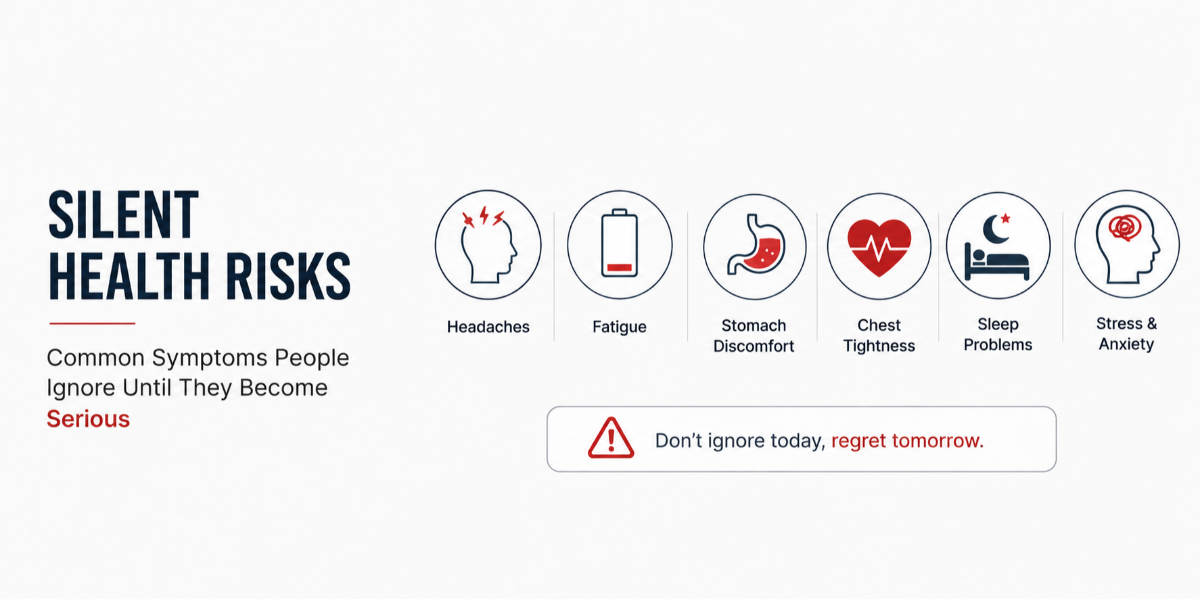
Modern life often encourages individuals to push through minor bodily discomforts, attributing persistent tiredness, subtle aches, or digestion shifts to routine stress and busy schedules. However, many chronic conditions develop quietly within the body long before they produce disruptive physical pain or obvious medical crises. Recognizing early physiological signals allows individuals to seek timely care rather than waiting for hidden damage to escalate. To learn more about clinical screening capabilities and comprehensive patient care services, explore the official Madinah Teaching Hospital.
The Danger of Ignoring Minor Symptoms
The human body rarely experiences severe functional breakdowns overnight. Instead, underlying medical issues usually present subtle initial indicators that are easy to dismiss during daily routines.
Dismissing mild physical changes can allow conditions like elevated blood pressure, metabolic dysfunction, or chronic inflammation to advance unchecked for months or years.
Understanding that minor physical shifts often serve as early warning signs is essential for preserving long-term vitality and preventing irreversible tissue or organ damage.
Persistent Fatigue and Unexplained Weight Changes
Unexplained, continuous fatigue that fails to improve with adequate sleep is one of the most frequently ignored health symptoms.
When evaluating persistent low energy, metabolic shifts, or unexplained systemic physical changes, patients receive initial diagnostic assessments through the specialized Madinah Teaching Hospital Medicine Department. General internal medicine physicians conduct comprehensive evaluations to identify underlying root causes and design targeted treatment plans.
While occasional low energy is common, persistent exhaustion can point to underlying conditions such as thyroid imbalances, chronic anemia, early-stage diabetes, or systemic autoimmune activity.
Similarly, unexpected weight loss or gain without deliberate changes in diet or activity level often signals metabolic irregularities, hormonal shifts, or hidden gastrointestinal dysfunction that requires clinical investigation.
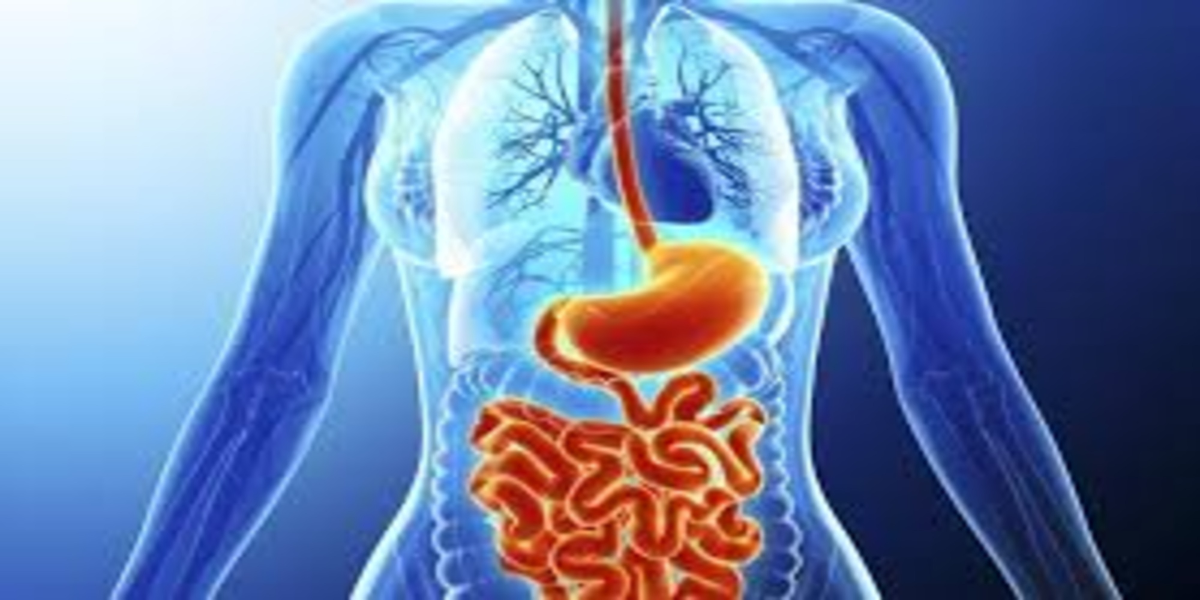
Subtle Digestive Changes and Chronic Discomfort
Occasional indigestion or mild abdominal discomfort is frequently treated with over-the-counter remedies without a second thought.
However, persistent bloating, changes in bowel habits, ongoing heartburn, or recurring stomach discomfort after meals should not be ignored.
These persistent gastrointestinal signs can indicate conditions such as chronic gastritis, inflammatory bowel conditions, or early-stage liver dysfunction that benefit from early medical management.
Minor Shortness of Breath and Dizziness
Feeling unusually out of breath after light physical tasks like climbing a single flight of stairs is often incorrectly attributed to simple physical deconditioning.
While lower physical fitness is common, sudden or gradual drops in exercise tolerance can also indicate early cardiovascular strain, hidden respiratory issues, or severe anemia.
Similarly, occasional lightheadedness or mild dizziness upon standing should be evaluated, as it may signal blood pressure fluctuations, inner ear issues, or subtle cardiac arrhythmias.
Mild Joint Stiffness and Skin Changes
Persistent morning stiffness in the joints or subtle swelling in the hands and feet is frequently brushed off as a normal part of aging or physical overexertion.
However, ongoing joint stiffness can be an early indicator of inflammatory arthritis or systemic connective tissue conditions that respond best to early intervention.
Likewise, persistent skin changes such as slow-healing minor cuts, unusual rashes, or dark patches around the neck and armpits can serve as visible external indicators of underlying blood sugar imbalances or vascular impairment.
How Comprehensive Internal Screening Helps
Proactive health evaluations provide a clear picture of internal health parameters before minor symptoms evolve into complex medical challenges.
Through routine physical examinations, basic metabolic profiles, and targeted diagnostic testing, physicians can spot subtle physiological shifts in their earliest stages.
Taking action at the first sign of ongoing physical changes simplifies treatment, improves recovery outcomes, and helps prevent long-term complications.
The Role of Proactive Care in Disease Prevention
Seeking medical advice for persistent mild symptoms should never be viewed as unnecessary concern, but rather as an essential part of responsible health maintenance.
Establishing a baseline of health through regular checkups gives medical providers the data needed to track changes accurately over time.
Preventative care empowers individuals to make informed decisions about their daily routines, nutrition, and medical care, ensuring that hidden risks are addressed long before they impact quality of life.
Conclusion
Paying attention to subtle body signals is one of the most effective ways to protect your long-term health and well-being. By refusing to dismiss persistent fatigue, subtle digestive shifts, or minor physical discomforts, you give yourself the best opportunity to address health risks early. Partnering with experienced clinical professionals ensures that minor symptoms are thoroughly investigated and properly managed. Taking charge of your health today helps protect your physical resilience and vitality for years to come
Share on Social Media
Recommended For You

How to Know When You Need to See a Medical Specialist?

What to Expect During Your First Visit to a Medical Speciali...

How to Choose a Hospital for Medical Treatment in Faisalabad

How to Choose the Right Doctor for Your Health Problem
Fatty Liver in Lean People: Why a Healthy Weight Doesn't Alw...

Skin Barrier Damage in 2026: How Over-Exfoliation and Skinca...
Beyond Aesthetics: How Reconstructive Plastic Surgery Restor...

From Desk Strain to Chronic Pain: How Ergonomics and Physica...
The Silent Connection: How Gum Disease Can Impact Your Heart...
Beyond Common Colds: Recognizing Early Signs of Developmenta...
Understanding Benign Breast Lumps: Why Early Evaluation Matt...
Scared of the Tube? How MTH Offers Stress-Free MRI Scans for...
Beyond the Report Card: How Academic Pressure Impacts Studen...
Life-Saving Interventions: Understanding Neonatal Surgery

Why See an ENT Specialist When Having Throat Problems?

Freedom of Movement: Modern Solutions in Orthopedic Surgery

Beyond the Eye Exam: How Comprehensive Ophthalmology Protect...

From Conception to Cradle: The Importance of Comprehensive P...
Food as Medicine: How Medical Nutrition Therapy Manages Chro...
Understanding Brain and Spine Surgery: When is it Necessary?
Kidney Health Awareness: Why Early Detection Matters

Why the Department of Medicine is the Backbone of a Hospital

How is Modern Technology in Medical Laboratories Transformin...
Foods That Support Liver Health and Detoxification
Top 10 Skin Care Tips Backed by Dermatologists

The Rising Trend of Virtual Dental Care and Why It Matters

Dentistry Department at Madinah Teaching Hospital, Faisalaba...

Breast Surgery Department at Madinah Teaching Hospital, Fais...

Anaesthesia Department at Madinah Teaching Hospital, Faisala...

Departments at Madinah Teaching Hospital Comprehensive Care...
Understanding Lab Reports and Importance of Blood Tests

Common Stomach Issues Treatments and Healthy Diet for Liver...

Acne Care Tips and How to Manage Skin Allergies

Cosmetic and Reconstructive Surgery Top Plastic Procedures
How to Maintain Oral Hygiene and Understanding Root Canal vs...

How MTH is Training the Next Generation of Compassionate Doc...
Medical Laboratory Services Ensuring Accurate and Reliable D...

Importance of Regular Health Screenings and Services at Madi...

How Madinah Teaching Hospital Provides Affordable Healthcare...

The Role of Physical Therapy in Faster Recovery at Madinah T...
Dentistry Services at Madinah Teaching Hospital Faisalabad

Hospital Overview and Institutional Trust at Madinah Teachin...
Role of Anaesthesia in Modern Surgery at Madinah Teaching Ho...
Breast Surgery at Madinah Teaching Hospital, Faisalabad
Readers Also Viewed These Articles

Get in touch with us today to get medical services

Madinah Teaching Hospital, Sargodha Road, Faisalabad
- EMAIL US: [email protected]
- CALL US: 041-8869862
Subscribe Our Newsletter


Copyright 2026. All Rights Reserved By MTH