
Skin Barrier Damage in 2026: How Over-Exfoliation and Skincare Trends Are Affecting Your Skin
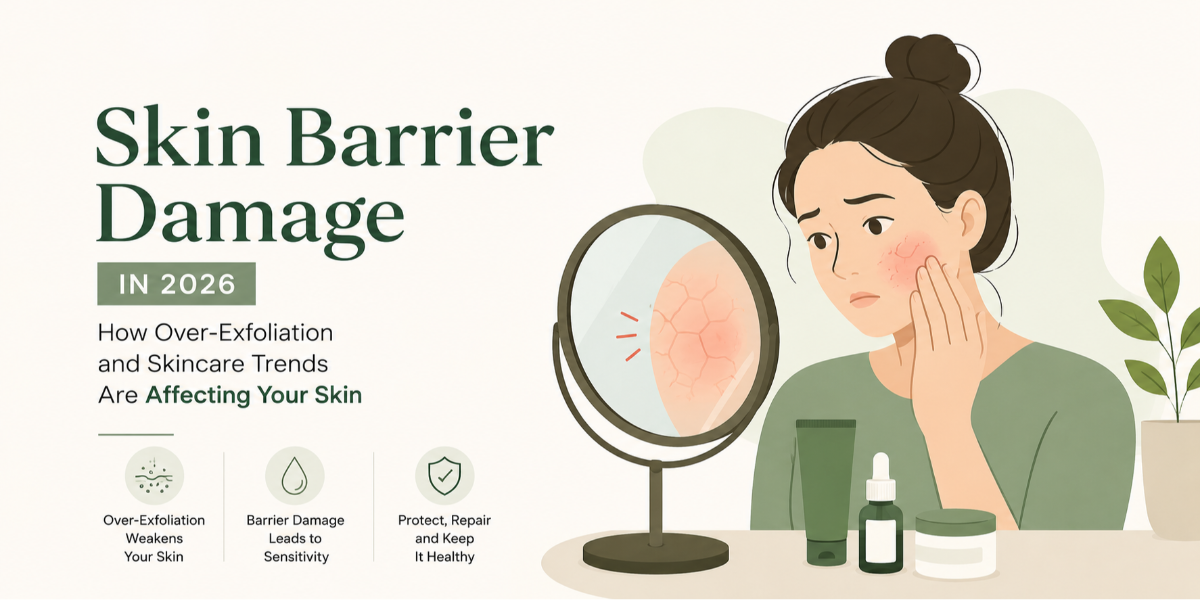
The modern skincare culture of 2026 offers unprecedented access to active ingredients, potent serums, and multi-step daily routines designed to achieve a radiant complexion. However, the widespread misuse of strong chemical exfoliants, retinoids, and viral cosmetic trends has led to a noticeable increase in compromised skin barriers. Understanding the delicate structure of the outermost skin layer is vital for maintaining a healthy, balanced complexion without causing accidental irritation. To discover advanced dermatological services and specialized skincare guidance, visit the official Madinah Teaching Hospital.
Understanding the Skin Barrier Function
The skin barrier, located in the stratum corneum, serves as the body's primary protective shield against environmental stressors, pathogens, and moisture loss.
This outer layer is often compared to a brick wall, where skin cells act as bricks held together by a lipid matrix containing ceramides, cholesterol, and fatty acids.
When this lipid matrix remains intact, it retains internal hydration while effectively blocking external irritants, allergens, and harmful bacteria from penetrating deeper layers.
The Consequences of Over-Exfoliation
The trending practice of combining multiple strong active ingredients such as high-percentage alpha-hydroxy acids, beta-hydroxy acids, and potent retinoids can strip away this protective lipid layer.
When patients' skin barriers become severely compromised or present persistent inflammation, specialized clinical care is available through the Madinah Teaching Hospital Dermatology Department. Expert dermatologists evaluate skin barrier integrity, diagnose underlying dermatological conditions, and prescribe gentle restorative care regimens.
Over-exfoliation removes healthy surface skin cells before underlying layers have fully matured, leaving fragile tissue exposed to the surrounding environment.
This erosion of the natural protective shield leads to increased transepidermal water loss, leaving the skin feeling tight, dehydrated, and unusually sensitive to everyday products.
Recognizing the Warning Signs of Barrier Damage
Identifying a damaged skin barrier early allows individuals to pause aggressive routines before severe inflammation or secondary infections develop.
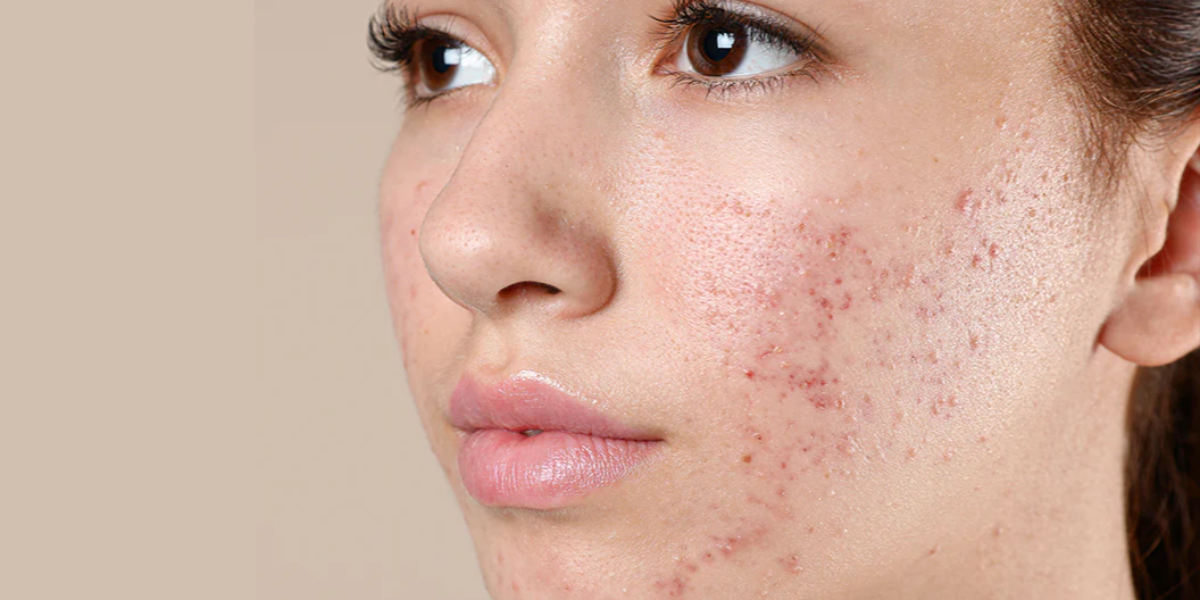
Common signs include persistent redness, a burning or stinging sensation upon applying simple moisturizers, dry flaking skin, and sudden breakouts that do not respond to traditional acne treatments.
When the barrier is compromised, external irritants penetrate easily, triggering inflammatory responses that make the skin appear perpetually flushed, tight, and uneven.
The Impact of Modern Skincare Trends
Viral social media trends frequently encourage complex ten-step routines, daily chemical peels, and aggressive physical cleansing tools that harm delicate facial skin.
Formulations featuring high concentrations of active ingredients are often used simultaneously without proper acclimatization or professional oversight.
This excessive layering of active formulas overburdens the skin, causing severe sensitivity and disrupting the natural microbiome that keeps skin balanced and healthy.
Restoring Barrier Integrity Through Minimalist Care
Repairing a compromised skin barrier requires stepping back from complex routines and adopting a simplified, supportive approach to daily skincare.
Pausing all chemical exfoliants, physical scrubs, vitamin C formulas, and retinoids gives the skin barrier time to rebuild its outer layers naturally.
Focusing on a basic routine consisting of a gentle non-foaming cleanser, a ceramide-rich barrier repair cream, and a broad-spectrum daily sunscreen provides the ideal environment for skin healing.
Long-Term Habits for Healthy Skin Protection
Maintaining a strong, resilient skin barrier over time relies on consistency, patience, and avoiding aggressive chemical overuse.
Introducing new active ingredients slowly, one at a time and at lower concentrations, allows the skin time to build tolerance without triggering inflammatory barrier damage.
Prioritizing hydration, protecting skin from harsh sun exposure, and paying attention to physical signs of irritation ensures long-term skin health without sacrificing clarity or comfort.
Professional Dermatological Guidance
While simplified routines can help mild barrier damage recover, severe or persistent skin inflammation requires professional clinical evaluation.
Dermatologists can identify whether underlying conditions like eczema, rosacea, or contact dermatitis are contributing to ongoing skin sensitivity.
Receiving tailored clinical recommendations ensures that your skincare approach supports long-term skin barrier strength without causing unnecessary inflammation or discomfort.
Conclusion
Achieving healthy skin requires respecting its natural protective structure rather than overpowering it with excessive chemical treatments or viral trends. By recognizing the signs of barrier damage, simplifying your daily routine, and choosing supportive restorative products, you can rebuild a resilient skin barrier. Prioritizing skin barrier health over aggressive exfoliation protects your complexion against environmental damage and premature aging. Taking a balanced, gentle approach to skincare today ensures a radiant, comfortable complexion for the future
Share on Social Media
Recommended For You

How to Know When You Need to See a Medical Specialist?

What to Expect During Your First Visit to a Medical Speciali...

How to Choose a Hospital for Medical Treatment in Faisalabad

How to Choose the Right Doctor for Your Health Problem

Fatty Liver in Lean People: Why a Healthy Weight Doesn't Alw...
Silent Health Risks: Common Symptoms People Ignore Until The...

Beyond Aesthetics: How Reconstructive Plastic Surgery Restor...

From Desk Strain to Chronic Pain: How Ergonomics and Physica...
The Silent Connection: How Gum Disease Can Impact Your Heart...

Beyond Common Colds: Recognizing Early Signs of Developmenta...
Understanding Benign Breast Lumps: Why Early Evaluation Matt...

Scared of the Tube? How MTH Offers Stress-Free MRI Scans for...

Beyond the Report Card: How Academic Pressure Impacts Studen...

Life-Saving Interventions: Understanding Neonatal Surgery

Why See an ENT Specialist When Having Throat Problems?

Freedom of Movement: Modern Solutions in Orthopedic Surgery

Beyond the Eye Exam: How Comprehensive Ophthalmology Protect...

From Conception to Cradle: The Importance of Comprehensive P...
Food as Medicine: How Medical Nutrition Therapy Manages Chro...
Understanding Brain and Spine Surgery: When is it Necessary?

Kidney Health Awareness: Why Early Detection Matters

Why the Department of Medicine is the Backbone of a Hospital

How is Modern Technology in Medical Laboratories Transformin...

Foods That Support Liver Health and Detoxification

Top 10 Skin Care Tips Backed by Dermatologists

The Rising Trend of Virtual Dental Care and Why It Matters

Dentistry Department at Madinah Teaching Hospital, Faisalaba...

Breast Surgery Department at Madinah Teaching Hospital, Fais...

Anaesthesia Department at Madinah Teaching Hospital, Faisala...

Departments at Madinah Teaching Hospital Comprehensive Care...

Understanding Lab Reports and Importance of Blood Tests

Common Stomach Issues Treatments and Healthy Diet for Liver...
Acne Care Tips and How to Manage Skin Allergies

Cosmetic and Reconstructive Surgery Top Plastic Procedures
How to Maintain Oral Hygiene and Understanding Root Canal vs...

How MTH is Training the Next Generation of Compassionate Doc...

Medical Laboratory Services Ensuring Accurate and Reliable D...

Importance of Regular Health Screenings and Services at Madi...

How Madinah Teaching Hospital Provides Affordable Healthcare...

The Role of Physical Therapy in Faster Recovery at Madinah T...
Dentistry Services at Madinah Teaching Hospital Faisalabad

Hospital Overview and Institutional Trust at Madinah Teachin...
Role of Anaesthesia in Modern Surgery at Madinah Teaching Ho...

Breast Surgery at Madinah Teaching Hospital, Faisalabad
Readers Also Viewed These Articles

Get in touch with us today to get medical services
Subscribe Our Newsletter


Copyright 2026. All Rights Reserved By MTH